


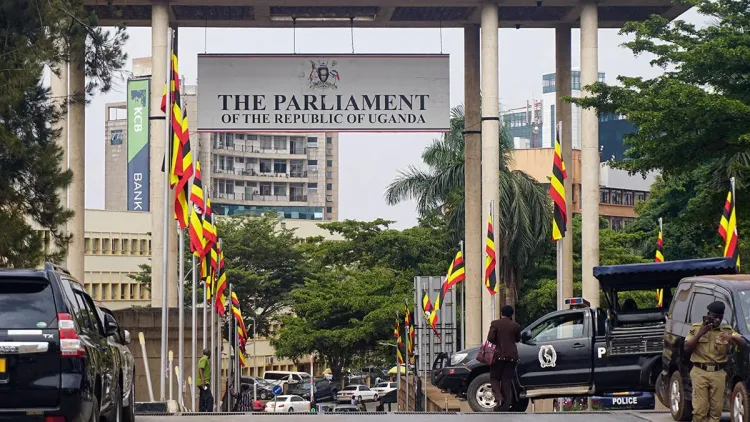
Uganda’s corruption investigation involving Parliament’s financial operations has entered a more complex phase after reports that some officials initially questioned in the probe have been converted into state witnesses, a development that is reshaping the direction of the case.
The investigation, which centres on allegations of embezzlement, abuse of office procedures, and irregular handling of parliamentary funds, has involved multiple interrogations as detectives attempt to establish how substantial sums of money allegedly moved through internal systems.
Sources familiar with the inquiry indicate that the shift toward witness cooperation followed extensive questioning and early admissions from individuals directly involved in processing and handling financial transactions now under scrutiny.
Investigators are now relying on insider testimony to reconstruct the full sequence of approvals and disbursements, including how funds were initiated, sanctioned, and released, and whether internal financial controls were properly observed.
The case is believed to involve significant parliamentary expenditures, with authorities examining whether established oversight mechanisms were bypassed or manipulated in the execution of certain payments.
Legal analysts say the use of state witnesses is a standard approach in complex financial crime investigations, particularly where lower-level officials can provide testimony that helps establish links between transactions and senior decision-makers.
However, they caution that such testimony must be supported by strong documentary and digital evidence, including bank records, communication data, and official approval trails, in order to meet the burden of proof in court.
Concerns have also been raised about the credibility of cooperating witnesses, especially where testimony may be influenced by expectations of leniency, reduced charges, or other prosecutorial discretion in exchange for cooperation.
Uganda’s legal framework allows prosecutors discretion in plea bargaining and charge withdrawal arrangements, particularly in cases where insider information is crucial to building broader prosecutions.
As the investigation continues, attention is now focused on whether insider testimony will be sufficient to extend accountability beyond administrative staff to individuals alleged to have directed or benefited from the disputed financial transactions.
Authorities have maintained that the probe remains active and that all individuals implicated will be handled according to the law as proceedings continue before the Anti-Corruption Court.


