


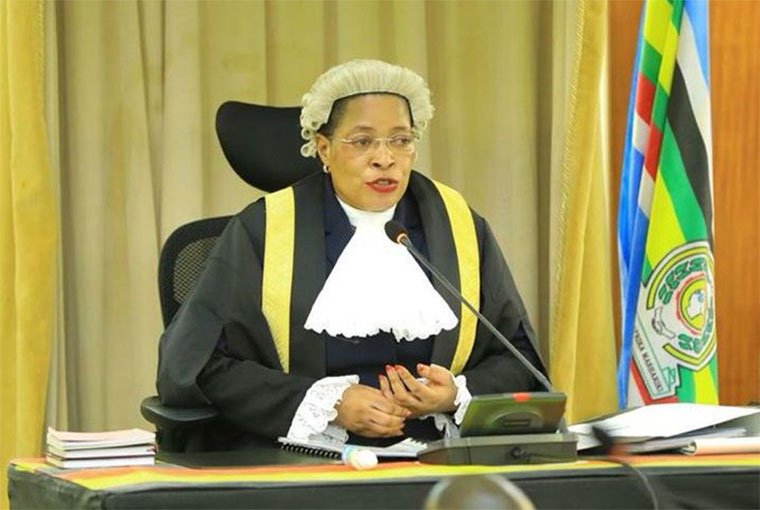
Uganda’s parliament on Tuesday passed a contentious bill, previously criticised by rights groups, journalists and businesses for mirroring “foreign agents” language used in Russian law to silence dissent, after a raft of amendments.
The East African country has been under the increasingly authoritarian rule of President Yoweri Museveni for 40 years.
The 81-year-old was re-elected in January amid a days-long internet shutdown and repression of the opposition that forced his main opponent, Bobi Wine, into hiding.
Critics say the new law adds a new weapon to be used against political opponents.
The so-called “Protection of Sovereignty Bill” criminalises actions deemed to promote “the interests of a foreigner against those of Uganda” and labels recipients of foreign funding as “agents of foreigners.”
Those convicted face sentences of up to 20 years in prison.
“It is a historic bill,” House speaker Anita Among said.
During a heated parliamentary debate on Tuesday night, lawmakers passed the bill after amendments, including the deletion of a provision that referred to Ugandans abroad as “foreigners.”
It added that it “could be used to shut down civil society” in the east African nation, which already shows intolerance toward dissenting voices.
The new law was passed by an overwhelming majority in parliament despite opposition calls for its withdrawal.
“The bill creates punitive sanctions regime, and has potential to hurt the economy,” opposition MP Gilbert Olanya said.


