


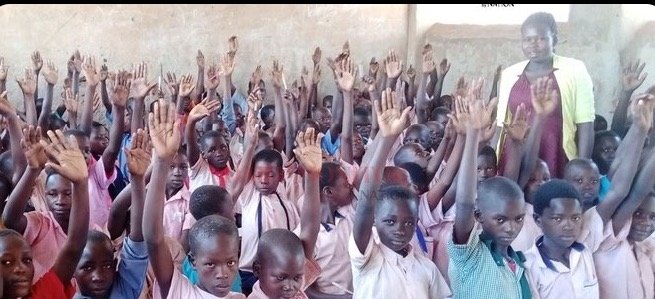
Schools in Lira and parts of northern Uganda are facing a growing attendance crisis as hundreds of pupils increasingly skip lessons due to hunger, raising concern among educators and local leaders about the future of learning in the region.
Teachers in several government-aided primary schools say many children arrive at class without breakfast and spend the entire school day without food, leaving them exhausted, distracted, and unable to concentrate.
The situation is reportedly contributing to rising absenteeism, especially during afternoon hours when pupils either leave school early or fail to attend altogether.
Education officials say the crisis is most visible in Universal Primary Education (UPE) schools, where families battling poverty are struggling to provide lunch for their children despite repeated appeals from schools.
School administrators warn that hunger is no longer just a welfare issue but a serious education challenge affecting learner performance, discipline and retention.
In some schools, teachers say children become weak and sleepy during lessons, while in others, children lose interest in class activities because they are hungry. Several schools have reportedly recorded declining participation in afternoon learning sessions.
Community leaders in the Lango sub-region say the economic difficulties facing many households have made it harder for parents to contribute to school feeding arrangements, leaving vulnerable learners most affected.
Northern Uganda continues to experience the long-term effects of conflict and poverty that disrupted livelihoods and weakened household incomes for years. Education stakeholders argue that these economic pressures are now spilling directly into classrooms.
Local authorities are calling for urgent intervention to support school feeding programmes, saying meals in schools could significantly improve attendance and reduce dropout rates.
Advocates say schools with organised feeding systems continue to perform better in attendance and learner engagement compared to institutions where pupils study without meals.
The worsening situation has renewed calls for Uganda to adopt a structured national school feeding policy aimed at protecting vulnerable children and improving education outcomes.
Education experts warn that without immediate action, hunger could continue pushing more children out of classrooms, threatening efforts to improve literacy and school completion rates in northern Uganda.


