


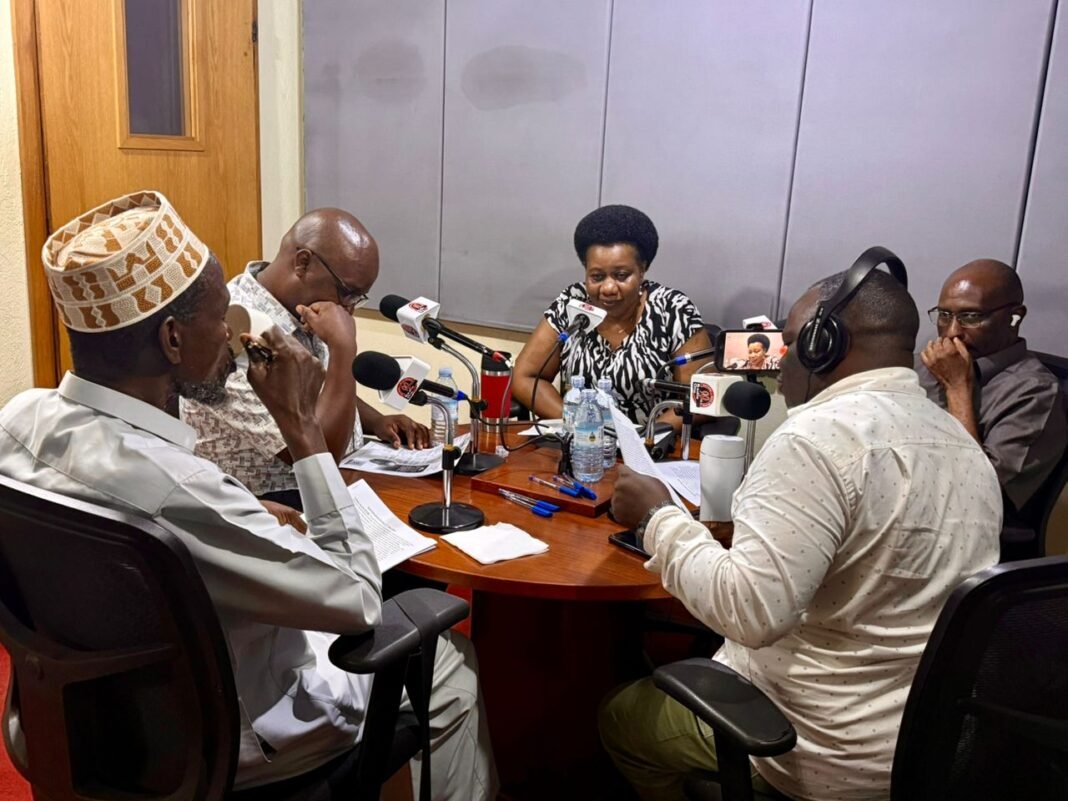
Governance and anti-corruption advocate Sarah Bireete has criticized the handling of Uganda’s proposed Sovereignty Bill, arguing that the extent of amendments made to the draft law undermines proper legislative procedure.
In a strongly worded statement, Bireete noted that the changes introduced to the bill exceed half of its original content, raising concerns about transparency and accountability in the law-making process.
“The amended bills have more than 50% change. Actually, the Sovereignty Bill should have been withdrawn — that would have been the right thing,” she said.
Her remarks come amid ongoing debate over the controversial bill, which has drawn mixed reactions from lawmakers, civil society actors, and sections of the public.
Bireete argued that when a bill undergoes such significant alterations, it effectively becomes a new legislative proposal.
In such cases, she said, standard parliamentary practice would require the bill to be withdrawn and re-tabled to allow fresh scrutiny, stakeholder engagement, and public input.
The Sovereignty Bill, initially positioned as a measure to strengthen Uganda’s control over its policy decisions, has been at the center of political discussion in recent weeks.
Critics have expressed concern that some provisions could have broader implications on private sector operations, financial flows, and institutional independence if not clearly defined.
Her comments add to a growing list of voices calling for clarity and procedural integrity in Parliament’s handling of key legislation. Legal analysts warn that failure to adhere to proper legislative standards could expose the law to future legal challenges.
As deliberations continue, attention now turns to Parliament and whether further revisions—or a complete withdrawal and reintroduction of the bill—will be considered in response to the mounting criticism.


