


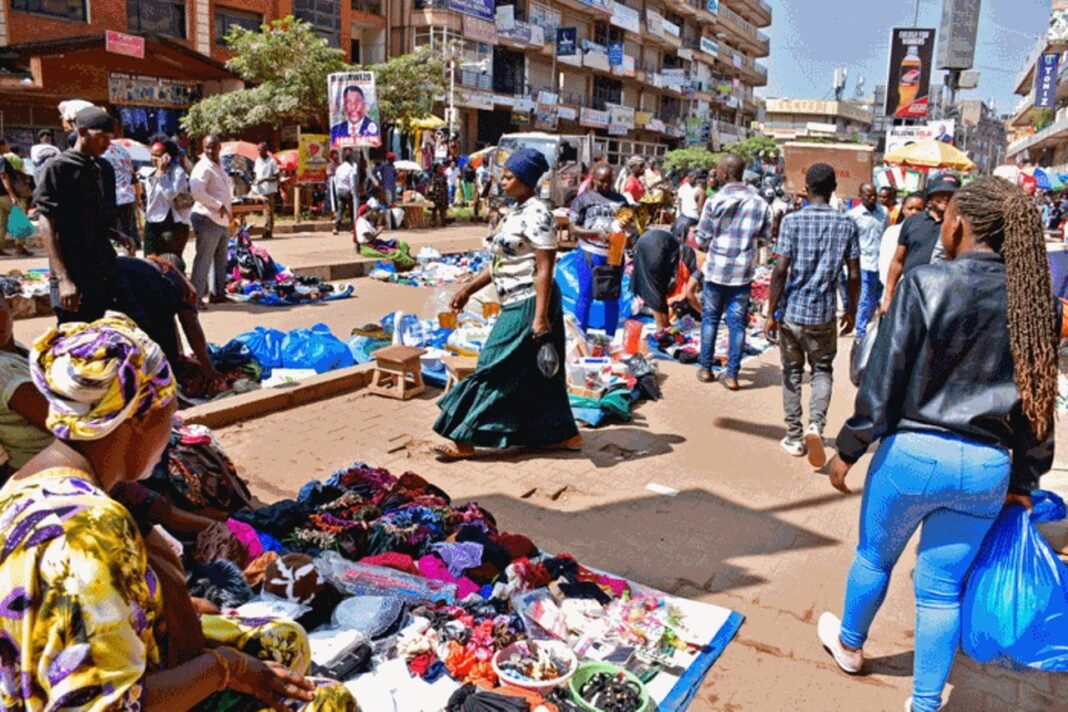
The scale of urban displacement in Uganda’s capital is drawing increasing concern, as hundreds of families continue to be forced out of their homes amid redevelopment projects, infrastructure expansion, and enforcement operations.
Across communities such as Kisenyi, Naguru, and Nakawa, residents report sudden evictions, demolitions, and mounting pressure from landlords and developers seeking to capitalize on rising land values.
Officials from the Kampala Capital City Authority (KCCA) insist the actions are necessary to restore order and modernize the city. KCCA Executive Director Dorothy Kisaka has previously emphasized the need for planned urban growth, stating that “illegal structures and poor drainage systems cannot be allowed to endanger the city and its residents.”
KCCA spokesperson Daniel NuweAbine has also defended enforcement operations, noting that authorities “give notices and follow the law” before any eviction is carried out, urging residents to comply with urban planning guidelines.
Despite these assurances, many affected residents describe chaotic scenes, with little time to prepare or relocate. Several families say they received notices they could neither verify nor challenge in time, leaving them vulnerable to sudden displacement.
Government officials at the national level have echoed support for urban enforcement. Judith Nabakooba has warned against illegal land occupation, stressing that “development must follow the law,” while also calling for more structured resettlement planning to reduce social disruption.The human cost, however, is becoming increasingly visible.
Many displaced residents have moved to informal settlements in areas like Bwaise and Kawempe, where overcrowding, poor sanitation, and unemployment are worsening already fragile living conditions.
Others have abandoned the city entirely, returning to rural homes with limited economic opportunities. Urban policy analysts warn that without inclusive planning, Kampala risks entrenching inequality.
They argue that while infrastructure development is essential, it must be matched with affordable housing solutions and transparent compensation mechanisms.
Amid the growing debate, emerging political voices are beginning to frame displacement as a central campaign issue.
Kampala-based figure Nyanzi Martin Luther has signaled his intention to contest for Lord Mayor in a future election cycle, including 2041, positioning urban housing and displacement at the core of his agenda.
He argues that the city’s transformation must prioritize residents, pledging policies focused on affordable housing, structured resettlement, and stronger protections against forced evictions.
As Kampala expands, the question remains whether development can be balanced with dignity. For thousands already displaced, the urgency is no longer political—it is about survival and the search for a place to call home.


