


KAMPALA — The Uganda Peoples Congress (UPC) has urged government to provide alternative transport services as the ongoing crackdown on mechanically dangerous vehicles leaves some commuters struggling to find affordable means of transport.
The party supports the removal of vehicles in Dangerous Mechanical Condition (DMC) from Uganda’s roads but says the exercise should be accompanied by a clear plan to replace the vehicles being taken off the road.
The Ministry of Works and Transport and Traffic Police launched a 100-day operation known as “Ganyegenya” on August 24, targeting mainly dilapidated 14-seater taxis operating in the Greater Kampala Metropolitan Area.
Police said 178 vehicles were impounded on the first day of the operation as officers moved to enforce vehicle safety standards.
The crackdown has, however, disrupted transport in some parts of the metropolitan area, with commuters facing longer queues and fewer taxis at stages.
Some taxi operators have reportedly taken their vehicles off the road for repairs, while others have stopped operating because of fears of being impounded.
The resulting shortage has pushed some commuters towards boda bodas and other informal transport services, which can be more expensive.
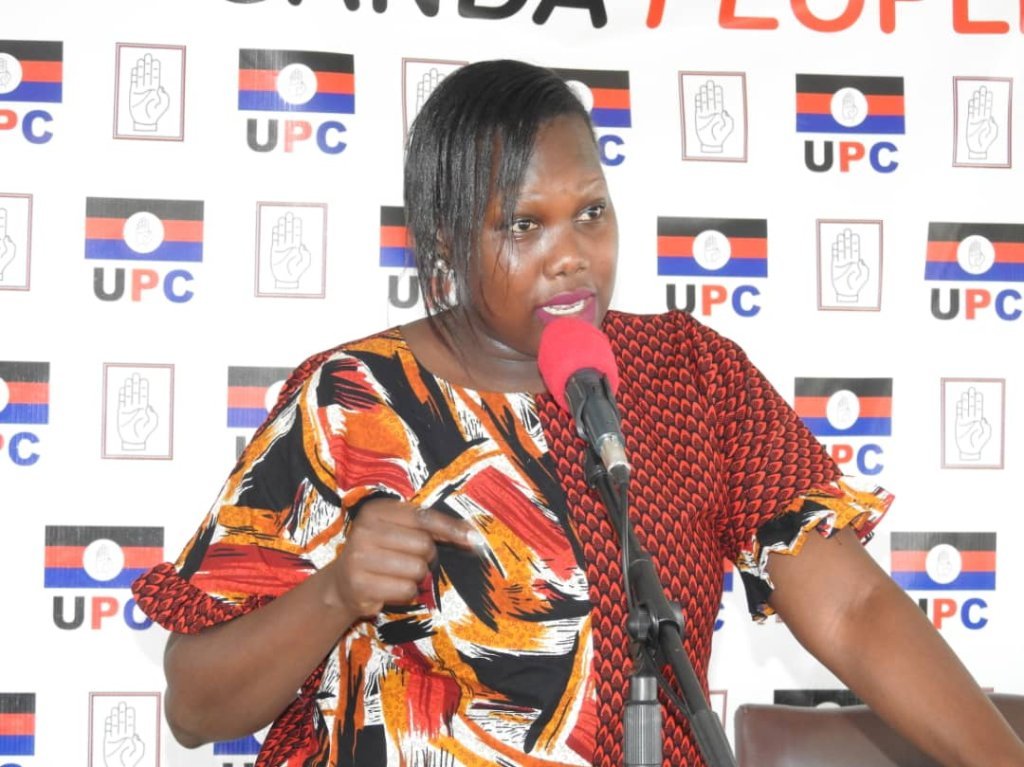
UPC spokesperson Sharon Arach Oyat said the party does not oppose action against dangerous vehicles but wants the exercise applied consistently across all categories of vehicles.
She said bicycles, boda bodas, tuk-tuks, trucks, lorries, buses, government vehicles and private cars should also be inspected because mechanical defects on any vehicle can endanger road users.
Ms Oyat warned that the transport shortage could become more severe when schools and colleges reopen, increasing the number of people travelling during peak hours.
She called for the temporary deployment of institutional buses to help transport commuters while taxi operators repair vehicles.
The UPC also wants government to move beyond short-term enforcement and develop a comprehensive national transport policy covering road, railway, water and air transport.
The party proposed investment in electric trains and trams as part of efforts to develop mass public transport, arguing that Uganda’s electricity generation capacity could support such systems.
UPC described the current operation as a short-term response to a wider transport problem that requires long-term planning and investment.
Other opposition parties, including the Forum for Democratic Change, have similarly raised concerns about transport shortages and higher fares arising from the removal of taxis.
Authorities have since moderated the intensity of enforcement in some areas to reduce disruption while allowing operators time to repair vehicles.
The Ganyegenya operation is expected to continue for 100 days as government seeks to improve road safety and remove unsafe vehicles from public roads.


 has urged government to provide alternative transport services as the ongoing crackdown on mechanically dangerous vehicles leaves some commuters struggling to find affordable means of transport.)