


Authorities in Napak District are seeking 2.2 billion shillings to address child trafficking and street children, a problem that has persisted for nearly 30 years. John Paul Kodet, Napak LC5 Chairperson, said that the district has developed a concept that may require 2.2 billion shillings to scale the school-based reintegration model and address the remaining 51% of the burden.
The district hopes the “From Street to Classroom” model will become a long-term solution to end a cycle that has defined Napak for nearly three decades. He reiterated that the district council has adopted a resolution on child protection and is asking partners to support efforts to involve sub-county and village-level leaders in the response.
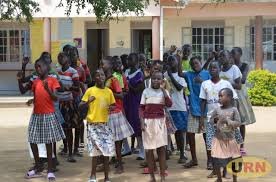
Since February 2024, the district has been moving repatriated children directly into boarding schools rather than returning them to villages, under an initiative called “From Street to Classroom. Kodet said the district has reintegrated about 49% of the targeted children since the inception. ”The approach has seen about 900 pupils enrolled across five schools, including Lotome Girls, Lokodiokodio, Loodoi, Lokopo, and Lopei.
District leaders say the villages where the children come from have become unsafe and are often the source of re-trafficking. Keeping children in school full-time, with no holidays, is meant to break the cycle. But the rapid enrollment has strained the five schools. Authorities say they lack adequate infrastructure, scholastic materials, and food.
Many of the children are former street children who require boarding facilities, WASH services, and special support.
Kodet said the biggest challenge is feeding the children sustainably. He proposed giving the five schools two tractors to share for large-scale food production, arguing it would reduce reliance on donors whose support often phases out. “If the five schools hosting the repatriated children could get two tractors to share and produce their own food, it would have helped to address the biggest burden,” he said.
Robert Owili Abia, Napak Chief Administrative Officer, noted that the children have to stay in school throughout, with no holidays to deter them from returning to the community, where they can easily be lured back onto the streets. He noted that last week alone, Kampala Capital City Authority returned over 190 children to the district.
Abia said that the number of children who are still in the streets is still higher.
Joseph Abelle, Liaison Officer for School Feeding at the Ministry of Education and Sports, said the influx has put pressure on infrastructure and supplies. “We had no thought of accommodating, for example, 900 children in the boarding school, so they need somewhere to sleep, they need other services, they need WASH facilities in these schools,” Abelle said. He called for affirmative action to support the children beyond primary school, noting there is currently no plan for secondary education.
Abelle also urged the Ministry of Agriculture to allocate tractors to schools hosting former street children to help them grow their own food. Officials estimate over 4,000 children from Napak remain on the streets of urban centers in Uganda and neighboring Kenya, while others are believed to have moved to the Arab countries.


