


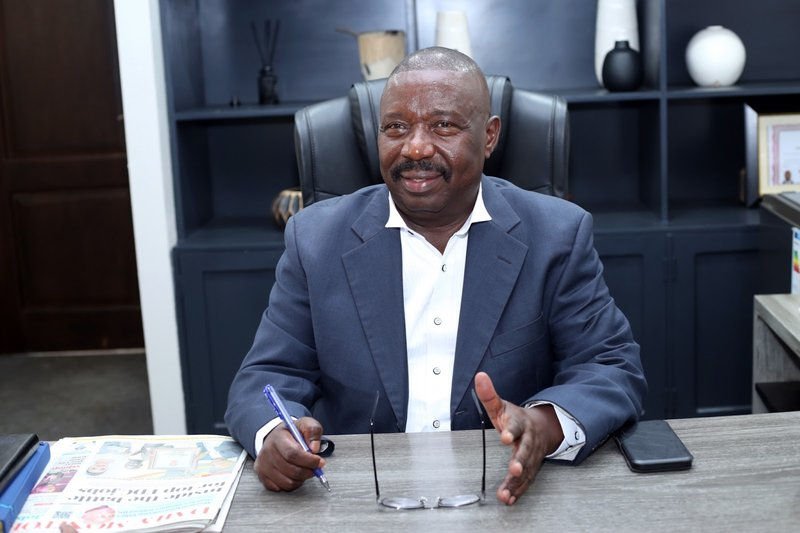
Former Deputy Attorney General Mwesigwa Rukutana has asked the mover of the Protection of Sovereignty Bill, 2026 to withdraw it from Parliament.
Rukutana, who also served as State Minister for Finance and State Minister for Labour said the government can improve on the existing legal and regulatory frameworks. Similar sentiments have been raised by civil society actors, lawyers, and the Uganda Bankers Association, among others.
The Bill is being considered by Parliament’s Joint Committee on Defence and Internal Affairs and the Committee on Legal and Parliamentary Affairs Defense and Internal Affairs.
Rukutana says the Bill, as it is, risks the country’s hard-earned gains from economic liberalization, adding that Uganda could be heading towards a damaging policy shift.
Rukutana says towards the year 2000, Uganda was classified as a Highly Indebted Poor Country (HIPC). During the period, the country’s economy was characterized by deep economic vulnerability marked by heavy dependence on external financing and borrowing.
Uganda was advised to increase production and productivity, expanding exports, reducing luxury imports, and managing inflation. The biggest pillar of those reforms, he noted, was the full liberalization of capital flows, meaning to allow foreign money to come in freely and for investors to repatriate their profits without hindrance, which policies are still at play. Under such a system the sovereignty bill has place in Uganda.


