


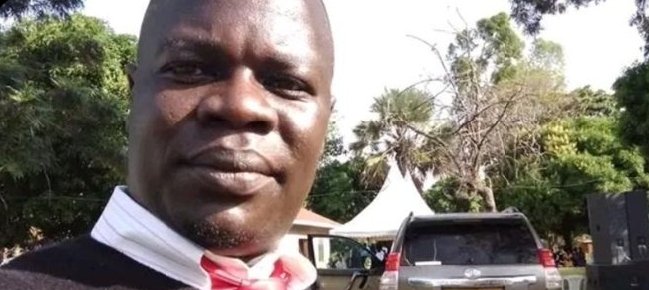
Police in Gulu District have launched a manhunt following the killing of a laboratory technician attached to Gulu University, who was attacked while walking home in the evening hours.
Preliminary investigations indicate that the victim was ambushed along a footpath on the outskirts of Gulu City shortly after leaving work. The attackers reportedly struck suddenly before fleeing the scene, leaving the technician fatally injured.
Police confirm murder investigation
The Aswa West Regional Police spokesperson, ASP Jimmy Patrick Okema, confirmed the incident, saying officers are treating the case as a suspected violent robbery or targeted killing.
“We received a report of a male adult who was found lying dead along a footpath following what appears to have been a brutal attack. We have opened a murder investigation and are pursuing all possible leads,” ASP Okema said.
He noted that forensic teams had already visited the scene and collected evidence to support the ongoing inquiry.
“The scene has been thoroughly examined, and statements are being recorded from residents who may have seen or heard anything unusual. We appeal to the public to assist with any information that can help us identify the suspects,” he added.
University expresses shock
Management at Gulu University described the incident as tragic and confirmed that the institution is cooperating with police.
“This is a painful loss for the university community. We are in contact with the police and supporting the investigation in every way possible,” a senior university official said.
Growing insecurity concerns
The killing has intensified concerns among residents and staff over safety along poorly lit routes commonly used at night in Gulu City’s outskirts. Community members say such paths are frequently used by workers returning from late shifts, yet lack adequate lighting and security patrols.
Local leaders have previously warned about rising cases of opportunistic attacks in some parts of northern Uganda, particularly in areas experiencing rapid urban expansion.
Investigations continue


