


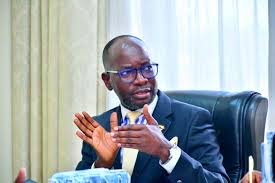
The NRM Parliamentary Caucus has resolved to throw its full weight behind the government’s proposed Protection of Sovereignty Bill, 2026, following a high-stakes meeting to align the party’s legislative front.
The decision was reached during a caucus meeting held today, Tuesday, May 5, 2026, at Parliament. The meeting took place just hours before the afternoon plenary session, where the Bill is scheduled for its second and third readings.
With over 340 MPs out of the 541-member House, the NRM holds a commanding majority. In a statement signed by the Government Chief Whip and Caucus Chairperson, Denis Hamson Obua, members expressed a unified front, describing the legislation as an essential safeguard for the nation’s future.
The caucus meeting followed a detailed presentation by the Minister of Internal Affairs and legal guidance from the Attorney General. These discussions were critical in ensuring the party’s 63% majority remains cohesive against opposition from the 57 NUP and 29 FDC members who criticize the Bill as “redundant.”
The Bill’s appearance for its final readings follows intensive report-writing by the Joint Committee on Defence and Internal Affairs and Legal and Parliamentary Affairs. Following public outcry and “strategic guidance” from President Yoweri Museveni, the Committee recommended several “softening” amendments including refinement of “Foreign Agent”, funding threshold, judicial oversight and reduced penalties.
The Committee recommended narrowing the definition of a “foreigner” to exclude Ugandan citizens living in the diaspora, ensuring that remittances and diaspora investments are not criminalized.
According to the resolutions, the Caucus is acting on the “imperative obligation” to safeguard Uganda’s national sovereignty amidst a “complex global environment.”
By securing the commitment of its MPs, the NRM leadership has effectively neutralized internal dissent. Political analysts suggest this “consensus and collective responsibility” ensures the Bill will face minimal resistance during the final debate, paving the way for its immediate passage into law.
Source By URN


