


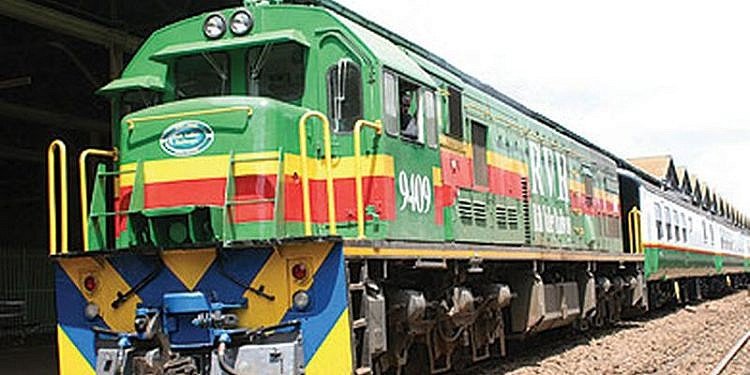
Uganda has been ordered to pay approximately Shs522 billion (about US$138.9 million) following a ruling from an international arbitration tribunal in London over the controversial termination of the Rift Valley Railways (RVR) concession agreement.
The decision marks the culmination of a years-long legal battle between the Government of Uganda and the private consortium that once managed the Kenya–Uganda metre-gauge railway line, stretching from the port of Mombasa through Nairobi to Kampala.
Tribunal finds wrongful termination
According to the arbitration ruling, Uganda wrongfully terminated the concession contract awarded in 2005 to Rift Valley Railways, which had been tasked with operating, maintaining, and upgrading railway freight services across the region.
The government had previously justified its decision by citing alleged operational failures, missed investment targets, and financial mismanagement by the operator.
However, the tribunal found that the termination did not fully comply with contractual and legal procedures governing the concession agreement.
As a result, Uganda was ordered to compensate the company for losses incurred, including projected earnings and investments made during the concession period.
Background to the dispute
The railway concession was part of a broader East African effort to privatise and modernise rail transport infrastructure, particularly the ageing metre-gauge system linking Uganda to the Indian Ocean port of Mombasa.
Initially hailed as a flagship public-private partnership, the project quickly ran into difficulties, including declining freight volumes, maintenance challenges, and disputes over investment obligations between the government and the operator.
In 2017, the concession was formally terminated by Uganda Railways Corporation, triggering arbitration proceedings in London.
Financial and policy implications
The ruling now places a significant financial burden on the Ugandan government, with the Shs522 billion award expected to be met from public funds.
Economists and infrastructure analysts say the case highlights long-standing weaknesses in the structuring and enforcement of public-private partnerships in large infrastructure projects.
“This ruling should serve as a warning about how concession agreements are negotiated, monitored, and exited,” one infrastructure policy analyst said, noting that poorly managed contracts can expose governments to heavy compensation claims.
Wider impact on rail development
The judgment comes at a time when Uganda is investing in new transport infrastructure, including plans for a standard gauge railway network aimed at replacing the ageing metre-gauge system.
However, the ruling raises concerns about investor confidence and the legal risks associated with future infrastructure partnerships.
Government officials are yet to issue a detailed public response to the arbitration award.
For now, the decision stands as one of the most expensive international arbitration losses Uganda has faced in recent years, with long-term implications for fiscal planning and infrastructure policy.


 following a ruling from an international arbitration tribunal in London over the controversial termination of the Rift Valley Railways (RVR) concession agreement.)