


The Uganda Marine Police Force is moving to introduce advanced forensic analysis for all bodies retrieved from water, in a shift aimed at improving investigations and correcting how drowning deaths are recorded in the country.
The move follows concerns that many deaths are quickly classified as drowning without proper scientific examination, a gap that could hide cases of foul play and distort national data.
Drowning remains a major but underreported public health issue. Globally, it is the third leading cause of unintentional injury-related deaths. In Uganda, the Makerere University School of Public Health estimates about 3,000 people die from drowning each year, an average of eight deaths daily.
Children under 10, fishermen, lakeside communities and people living or working near water bodies are the most affected.
The Uganda Marine Police says the profile of victims challenges common assumptions. Many are not inexperienced swimmers, but people familiar with water environments. Authorities link this to overconfidence, complacency, lack of survival swimming skills and failure to follow basic safety measures.
Commandant of the Marine Police Force, CP Suleiman Kirungi, says the force plans to ensure that every body recovered from water undergoes proper forensic examination before a cause of death is confirmed.
Currently, many cases are concluded without detailed analysis, weakening both criminal investigations and public health reporting.
The planned changes are expected to improve accuracy in determining cause of death and strengthen investigations, especially in cases where foul play may be suspected.
Police also warn that some drowning incidents occur during rescue attempts, when untrained individuals try to save others and end up losing their own lives.
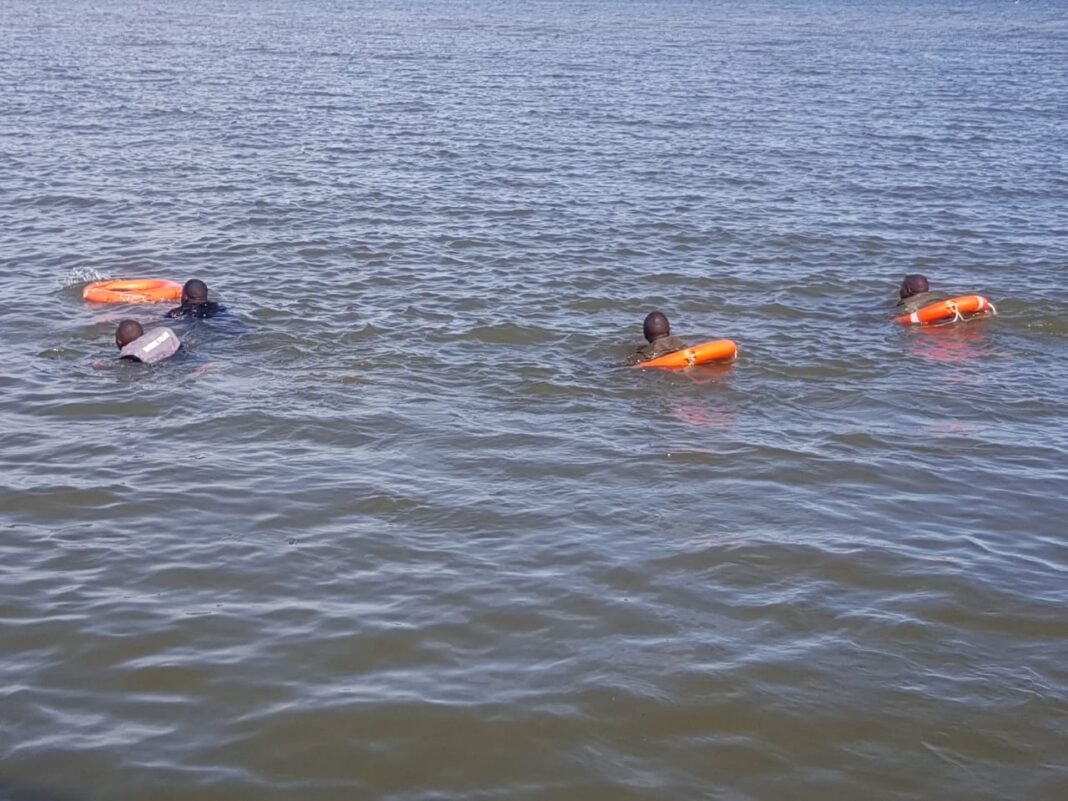
Marine Police maintains specialised rescue teams across major water bodies, with regular refresher training to improve response. However, the force remains stretched, given Uganda’s vast network of lakes and rivers, including Lake Victoria.
To bridge the gap, authorities have intensified community engagement, training residents in basic rescue techniques, survival swimming and water safety. Public awareness campaigns and CPR training are also ongoing to improve immediate response during emergencies.
Despite this, the risks remain high. Police say even trained officers have lost their lives during operations due to unpredictable water conditions.
Underreporting is another challenge. Many drowning cases go unrecorded due to poor communication, fear of legal consequences and cultural practices. In some cases, incidents such as drownings in private swimming pools are handled quietly without notifying authorities.
Meanwhile, Uganda is finalising a five-year National Drowning Prevention Strategy led by the Ministry of Internal Affairs, working with Marine Police and other partners. The plan targets a 25 percent reduction in drowning deaths by 2030 and includes stronger emergency response systems and prevention measures.
Key actions will include demarcation of water zones, installation of warning signs and training of water safety personnel, including swimming instructors.
Uganda will also host the International Day for the Prevention of Drowning on July 25, 2026, as part of efforts to raise awareness and push for coordinated action.
Authorities say better data, stronger enforcement and wider public awareness will be critical in tackling what is increasingly becoming a silent but deadly public health issue.
Source By UBC


