


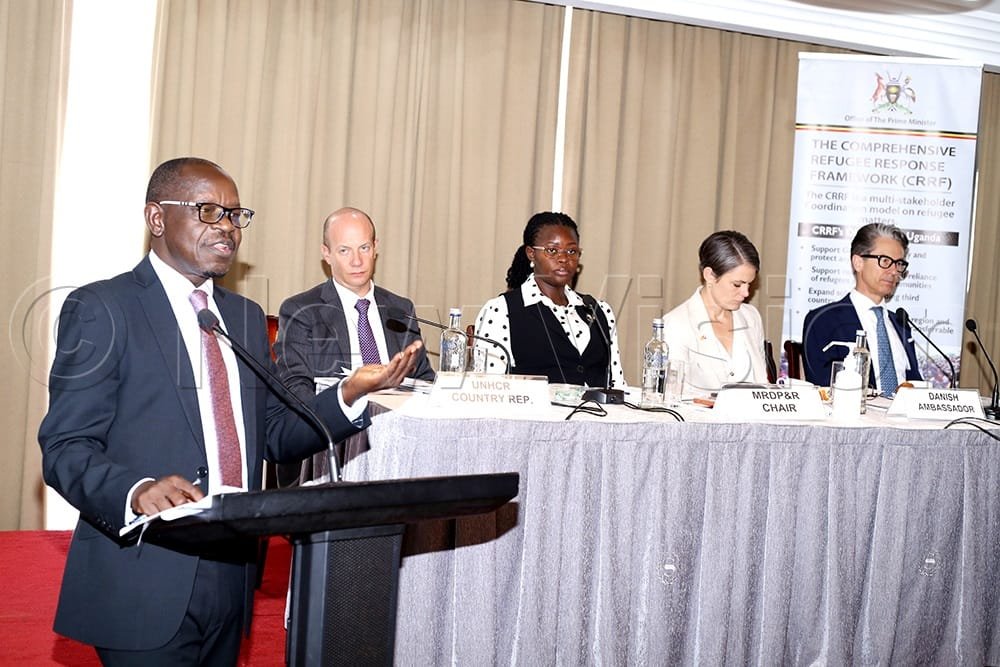
The United Nations High Commissioner for Refugees (UNHCR) has raised concern over mounting pressure on humanitarian resources, urging a transition toward sustainable and predictable financing for refugee programmes as displacement crises become increasingly prolonged.
The agency said that the traditional model of short-term emergency funding is no longer fit for purpose, given that millions of refugees now spend years in displacement.
This trend, UNHCR warned, is stretching already limited resources and undermining the continuity of essential services.
“Humanitarian funding alone cannot keep pace with the scale and duration of displacement today,” the agency said, calling for a more structured and reliable financing approach.
UNHCR emphasised that unpredictable funding cycles disrupt critical interventions such as food assistance, healthcare, education, and protection services.
It added that host countries—many of them in the developing world—are struggling to cope with the long-term social and economic impact of hosting large refugee populations.
To address these challenges, the agency is advocating for multi-year funding commitments, stronger engagement with development partners, and innovative financing solutions that go beyond traditional aid.
It also called for the inclusion of refugees in national development plans to promote self-reliance and reduce dependency.
The warning comes as global displacement continues to rise due to conflict, climate shocks, and instability, placing additional strain on already overstretched humanitarian systems.
UNHCR said a shift toward predictable, long-term investment is critical to ensuring that refugee programmes remain effective and that displaced populations can live with dignity while working toward durable solutions.


 has raised concern over mounting pressure on humanitarian resources.)