


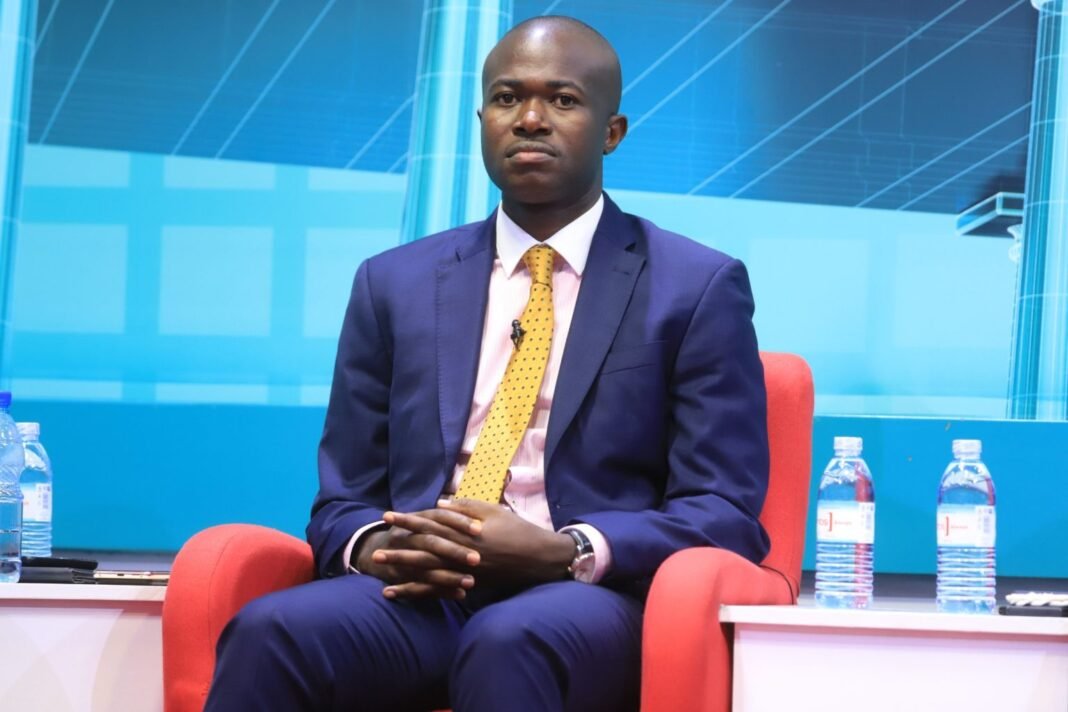
Internal tensions within the Patriotic League of Uganda (PLU) have resurfaced after senior member Kabanda publicly responded to what he termed a “calculated social media assault” against him, reigniting debate about unresolved rivalries inside the organization.
In a statement circulated to supporters, Kabanda accused unnamed actors of orchestrating online attacks aimed at damaging his credibility and weakening his standing within PLU structures.
He suggested the campaign was politically motivated and linked to historical disagreements that had never been fully resolved.
“These attacks are not random,” Kabanda stated. “They are part of a broader attempt to settle old scores through digital platforms.”
The controversy has triggered conversations within political circles about internal cohesion inside PLU, a civic formation that has grown in influence in recent years through grassroots mobilization and public engagement initiatives.
Observers say the dispute reflects broader competition among influential figures positioning themselves within emerging political formations ahead of future electoral cycles.
While PLU leadership has not issued a formal statement addressing the matter directly, insiders describe the atmosphere as “tense but manageable.”
Political analyst David Muwanga says such disputes are not uncommon in fast-growing organizations.
“When movements expand quickly, competition for influence intensifies,” Muwanga explained. “Social media becomes both a weapon and a shield in those contests.”
Kabanda, however, dismissed suggestions that the disagreement signals deeper fractures, insisting that unity remains intact.
“We will not allow personal disagreements to overshadow our mission,” he said, calling on members to focus on organizational goals rather than internal disputes.
The coming weeks are likely to determine whether the matter subsides quietly or evolves into a more visible internal contest.


 have resurfaced after senior member Kabanda publicly responded to what he termed a “calculated social media assault” against him, reigniting debate about unresolved rivalries inside the organization.)