


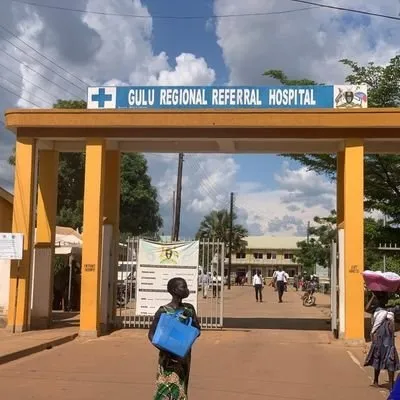
Parliament has directed the Criminal Investigations Department (CID) to provide a progress report on investigations into the theft of a vehicle valued at more than Sh150 million from Gulu Regional Referral Hospital, after lawmakers raised questions about the missing vehicle, the handling of the case and serious gaps in the hospital’s surveillance system.
The directive was issued by the Public Accounts Committee (PAC) Central Government Committee chaired by Patrick Nsamba Oshabe. Current MP for Kassanda County North during a hearing involving hospital officials responding to queries arising from the Auditor General’s report for the 2024/2025 financial year on Tuesday.
The vehicle, registration number UBE-639F, was reportedly donated to the hospital by the United States Agency for International Development (USAID). Hospital management told the committee that it was stolen from the hospital premises in February 2026 and that three suspects had been arrested, including a driver associated with the USAID-UHA programme, a broker in Moroto and a Kenyan businessman alleged to have purchased the vehicle.
However, the vehicle had not been recovered by the time of the hearing, prompting MPs to question the progress of the investigation and the effectiveness of controls protecting public health assets.
The committee gave its CID officers two weeks to establish the status of the case and report back, while directing hospital management to address weaknesses in its CCTV system.
Gulu Regional Referral Hospital Principal Hospital Administrator Walter Uryek-Wun told the committee that the stolen station wagon had allegedly been sold for Sh45 million, substantially below its reported value of more than Sh150 million.
He said police investigations had led to the arrest of three suspects. The reported involvement of a Kenyan buyer expanded the investigation beyond Uganda, with Interpol assistance cited in the arrest of the businessman in Kenya.
The vehicle, however, remained unrecovered. Uryek-Wun said the vehicle’s tracking system had initially been disconnected but was later reconnected at a garage in Kenya. Information from the tracking system was reportedly shared with investigators.
“The car is not yet got, but they are optimistic the car is back in Kenya,” he told the committee.
The statement illustrates the distinction between identifying and arresting suspected participants in an alleged theft and recovering the property at the centre of the investigation. While the administrator reported progress in tracing the vehicle, its physical recovery had not been confirmed during the hearing.
The circumstances surrounding the reported sale price, the vehicle’s movement across borders and the role of each suspect remain matters for investigators and the courts to establish.
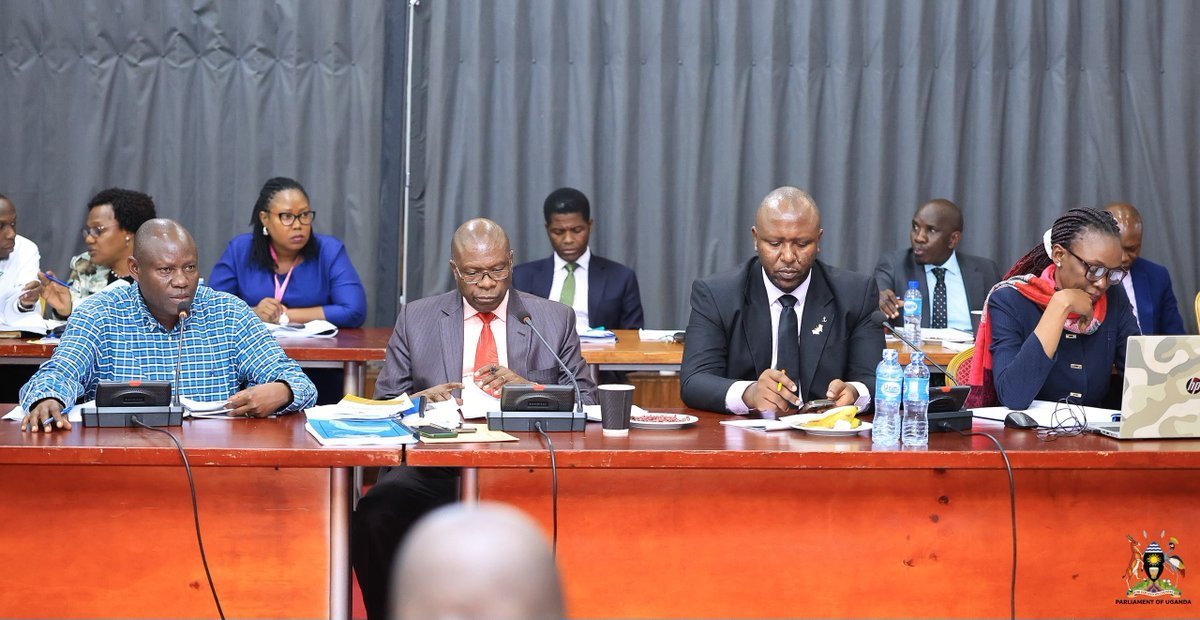
The missing vehicle prompted pointed questioning from committee members, including Kilak South MP Gilbert Olanya, who raised concerns about the handling of the investigation by police in Gulu.
Olanya alleged that some individuals could be colluding in the handling of the case and called for greater scrutiny of the investigation.
“The matter is very serious because we realised that the police in Gulu are tampering with this report,” Olanya told the committee.
The allegation was made during parliamentary questioning and was not established as a finding of the committee in the material provided. Any determination of misconduct or interference would require independent investigation and corroborating evidence.
Committee chair Karim Masaba, the MP for Mbale Industrial Division, also questioned how suspects could be arrested and prosecuted while the alleged stolen vehicle remained unrecovered.
“How could they get the arrest of the person, the thief, and he’s arraigned in court, imprisoned, and then they don’t recover the exhibit?” Karim asked.
Masaba further questioned whether hospital officials had travelled to Kenya to independently verify efforts to locate the vehicle or whether management was relying on information supplied by police.
The questions raise an important accountability issue: whether the hospital, investigators and relevant authorities have maintained a documented and verifiable chain of evidence concerning the vehicle’s location, ownership and recovery efforts.
However, an unrecovered exhibit does not, by itself, establish that an arrest or prosecution is unlawful. The evidentiary requirements and circumstances of the case would need to be assessed under the applicable criminal justice process.
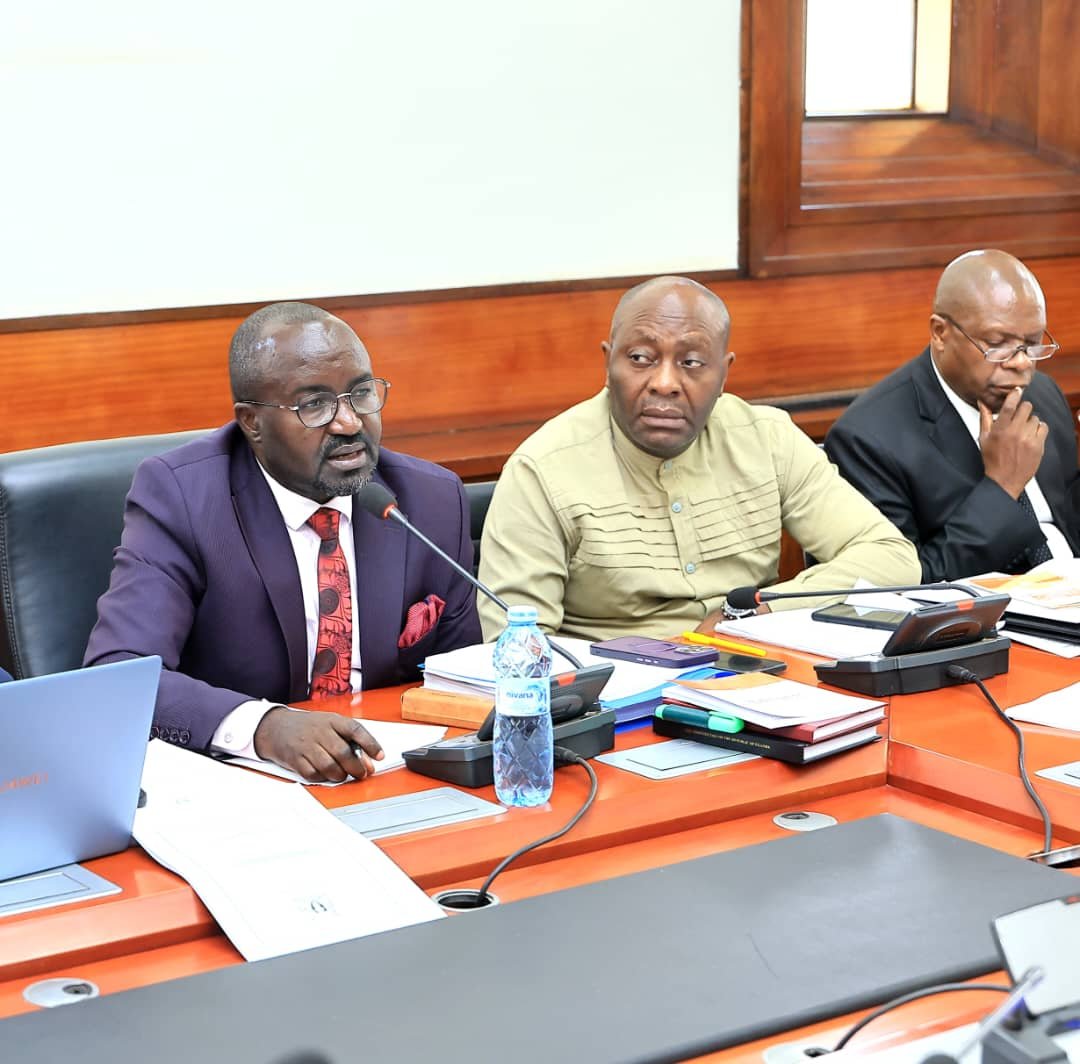
Although MPs expressed concern about the investigation, committee members cautioned against directly interfering in a criminal matter already before court, citing the principle of sub judice.
The principle is intended to prevent parliamentary proceedings from improperly interfering with matters under judicial consideration. Its application depends on the circumstances and the applicable parliamentary rules.
Rather than directing the committee to determine the criminal liability of the suspects, the proceedings resulted in a follow-up assignment to CID officers.
The officers were given two weeks to provide an update on the investigation’s progress and efforts to recover the vehicle.
The committee also indicated that the matter could be revisited during the next audit cycle, when the Auditor General is expected to capture the status of the hospital asset.
This approach places the focus on institutional oversight, investigation progress and asset recovery, while preserving the separation between parliamentary scrutiny and judicial determination.
Beyond the missing vehicle, the hearing exposed weaknesses in Gulu Regional Referral Hospital’s physical security and surveillance infrastructure.
Uryek-Wun told MPs that the hospital had 64 CCTV cameras but that only one was functioning on the night the vehicle was stolen. “On that fateful night that the vehicle was being stolen, there was only one camera functioning,” he told the committee.
According to the administrator, the functioning camera captured the person who drove the vehicle away. Police investigations subsequently identified the suspect as a driver associated with the USAID programme.
Uryek-Wun also said the hospital’s CCTV system takes approximately three hours to reboot whenever power goes off, creating extended periods in which surveillance may be unavailable.
The combination of limited operational cameras and prolonged recovery times after power interruptions presents a potential security vulnerability. However, the extent to which the surveillance failure contributed to the theft, or whether it resulted from a particular technical or maintenance issue, requires further verification.
Masaba described the CCTV situation as a serious security concern, warning that prolonged surveillance gaps could expose hospital assets to theft and other forms of malpractice.
He directed hospital management to address the CCTV problem and provide a status update during the next audit cycle.
The committee also asked Parliament’s Health Committee to take an interest in the surveillance issue as part of its oversight activities.
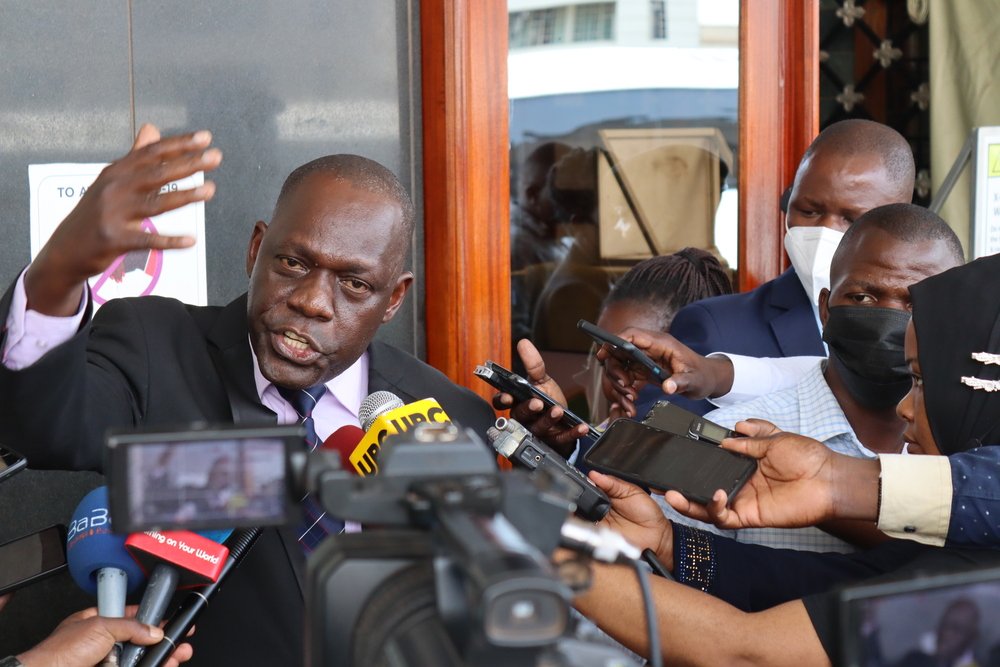
The case has implications beyond the loss of a single hospital vehicle.
Public hospitals depend on vehicles for patient referrals, medical supplies, administrative operations, outreach programmes and emergency response. The loss of a vehicle can therefore affect service delivery, particularly where replacement resources are limited.
In this case, the vehicle was reportedly donated through USAID, adding a donor-accountability dimension to the investigation. Establishing how the vehicle was managed, who had authorised access, how it was secured and whether the hospital’s asset-control procedures were followed will be relevant to understanding the circumstances of the theft.
The reported sale for Sh45 million against a stated value exceeding Sh150 million also warrants documentary verification. The valuation basis, the vehicle’s condition, ownership records, transfer documentation and the circumstances of the reported transaction would be relevant to any assessment of the financial implications.
The available material does not establish whether the hospital had conducted a prior security assessment, whether any officials were found responsible for control failures or whether USAID had been formally notified of the vehicle’s recovery status.
Those are among the issues that further investigation and subsequent oversight could clarify. The parliamentary directive provides a defined follow-up mechanism, but its effectiveness will depend on the quality and verifiability of the information supplied to the committee.
A substantive progress report would be expected to clarify the status of criminal proceedings against the three reported suspects, the evidence supporting the alleged cross-border movement and sale of the vehicle, and the steps taken to locate and recover the vehicle in Kenya.
The CID is also expected to clarify the status of the tracking information reportedly obtained from the Kenyan garage, whether the hospital’s asset register and relevant donor documentation have been updated and the measures taken to restore and maintain the CCTV system.
These questions do not prejudge the outcome of the criminal case. They reflect the public-interest responsibility to establish what happened to a publicly used asset and whether institutional safeguards functioned as intended.
The committee’s decision to involve CID officers in follow-up investigations, rather than directly determine criminal liability, provides a route for continued scrutiny while respecting the judicial process.
The Gulu hospital vehicle theft investigation illustrates the relationship between public asset management, law enforcement and the operational security of essential health facilities.
The reported arrests represent an investigative development, but the vehicle’s recovery remains unresolved. The CCTV disclosures meanwhile point to a separate institutional concern: whether the hospital has reliable systems to protect equipment and property against theft.
The next two weeks will provide an opportunity for CID to report on the progress of investigations and for hospital management to demonstrate how it is addressing surveillance weaknesses.
The central accountability question is not simply whether suspects have been arrested. It is whether the vehicle can be traced and recovered, the evidence independently established, any responsibility lawfully determined, and the hospital’s security controls strengthened to reduce the risk of similar incidents.
The information provided does not include CID’s subsequent report, court records, the Auditor General’s specific audit finding on the vehicle, or an independent confirmation of the vehicle’s location. These remain important documents for a fully verified follow-up report.


 to provide a progress report on investigations into the theft of a vehicle valued at more than Sh150 million from Gulu Regional Referral Hospital, after lawmakers raised questions about the missing vehicle, the handling of the case and serious gaps in the hospital's surveillance system.)