


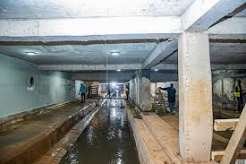
The Kampala Capital City Authority (KCCA) has come under intense parliamentary scrutiny over its approval of the controversial Nakivubo redevelopment project, with lawmakers questioning whether statutory planning procedures were followed and warning that taxpayers should not bear the cost of decisions that may have worsened flooding in the capital.
Appearing before Parliament’s Committee on Physical Infrastructure on Tuesday, KCCA officials were pressed to explain the approval process for developments around the Nakivubo drainage corridor as legislators examined the city’s preparedness for the expected August rains.
The hearing comes against the backdrop of repeated flooding in Kampala’s central business district, where heavy rains have in recent years disrupted businesses, damaged property, paralysed transport and prompted government compensation for affected traders.
Several MPs argued that before government commits an estimated UGX20 billion in compensation, there must be clarity on whether failures in planning, regulation or enforcement contributed to the flooding.
Leading the criticism, Bokora County MP Emmanuel Iluko questioned why public funds should continue to finance compensation if individuals or institutions responsible for developments that obstructed drainage can be identified.
He argued that accountability should extend beyond disaster response to those whose actions or approvals may have increased flood risks.
“If the problem was created by identifiable actors, why should taxpayers continue paying the bill?” Iluko asked, urging authorities to ensure responsibility follows accountability.
His remarks echoed broader concerns within Parliament that recurring compensation without addressing underlying causes risks placing an unsustainable burden on the public purse.
Responding to the committee, KCCA Deputy Executive Director Benon Kigenyi firmly dismissed suggestions that the Authority was pressured into approving the redevelopment.
He explained that KCCA initially withheld approval after identifying technical and regulatory issues with the proposed development.
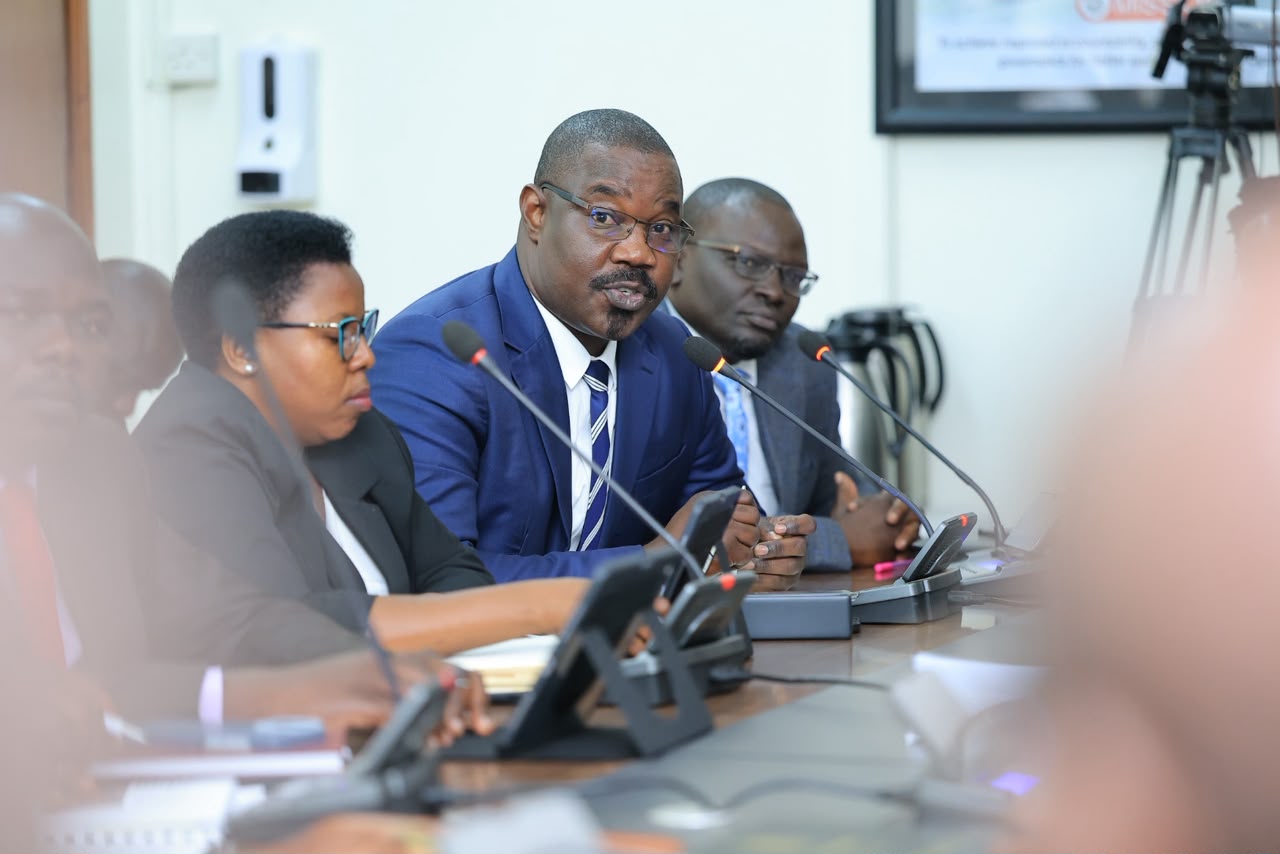
According to Kigenyi, the developer subsequently addressed those concerns through the prescribed review process, leading the Authority to formally approve the project.
“We are not under duress in carrying out our responsibilities,” Kigenyi said.
“We raised technical issues, the developer responded, and once the concerns were satisfactorily addressed, the approval process was concluded.”
He also clarified that responsibility for compensating businesses affected by flooding lies with the Office of the Prime Minister rather than KCCA.
Despite the explanation, members of the committee continued to question whether the redevelopment complied with Uganda’s planning laws from the beginning.
Soroti City East Division MP Moses Okia Attan pointed to earlier directives issued by KCCA halting aspects of the project before construction reportedly continued.
He questioned whether all approvals required under the Building Control Act, 2013, including architectural, structural and engineering clearances, had been secured before works commenced.
Okia maintained that Parliament supports investment and urban renewal but insisted that all developments must comply with the law.
“Our concern is not development itself,” he said. “Our concern is ensuring that statutory procedures are respected and that taxpayers are not left paying for failures in regulation or enforcement.”
Committee Chairperson Mwine Mpaka warned that Parliament could reopen investigations into the Nakivubo redevelopment if flooding intensifies when the rainy season resumes.
He said the committee would not hesitate to recommend administrative, disciplinary or legal action against any officials found, through due process, to have acted outside the law.
Mpaka further argued that executive directives should always be implemented within the framework of Uganda’s Constitution and statutory laws governing planning, construction and environmental protection.
He urged KCCA to move beyond defending the approval process and instead present practical engineering interventions capable of preventing future flooding.
“The public expects solutions,” Mpaka told officials. “If flooding returns after these approvals, Parliament will demand accountability as well as remedial action.”
While defending its handling of the Nakivubo redevelopment, KCCA acknowledged that Kampala’s broader drainage network requires significant upgrading to cope with rapid urbanisation and increasingly intense rainfall.
Kigenyi told lawmakers that implementing the Kampala Drainage Master Plan will require approximately UGX768.1 billion between the 2026/27 and 2030/31 financial years.
The proposed investment would finance rehabilitation and expansion of major drainage channels, strengthen maintenance systems, improve storm-water management and enhance the city’s resilience to flooding.
“Kampala’s drainage system continues to function, but it is under growing pressure from urban expansion, increased runoff and ageing infrastructure,” Kigenyi said.
He argued that sustained investment in drainage infrastructure and routine maintenance remains critical to reducing flood risks over the long term.
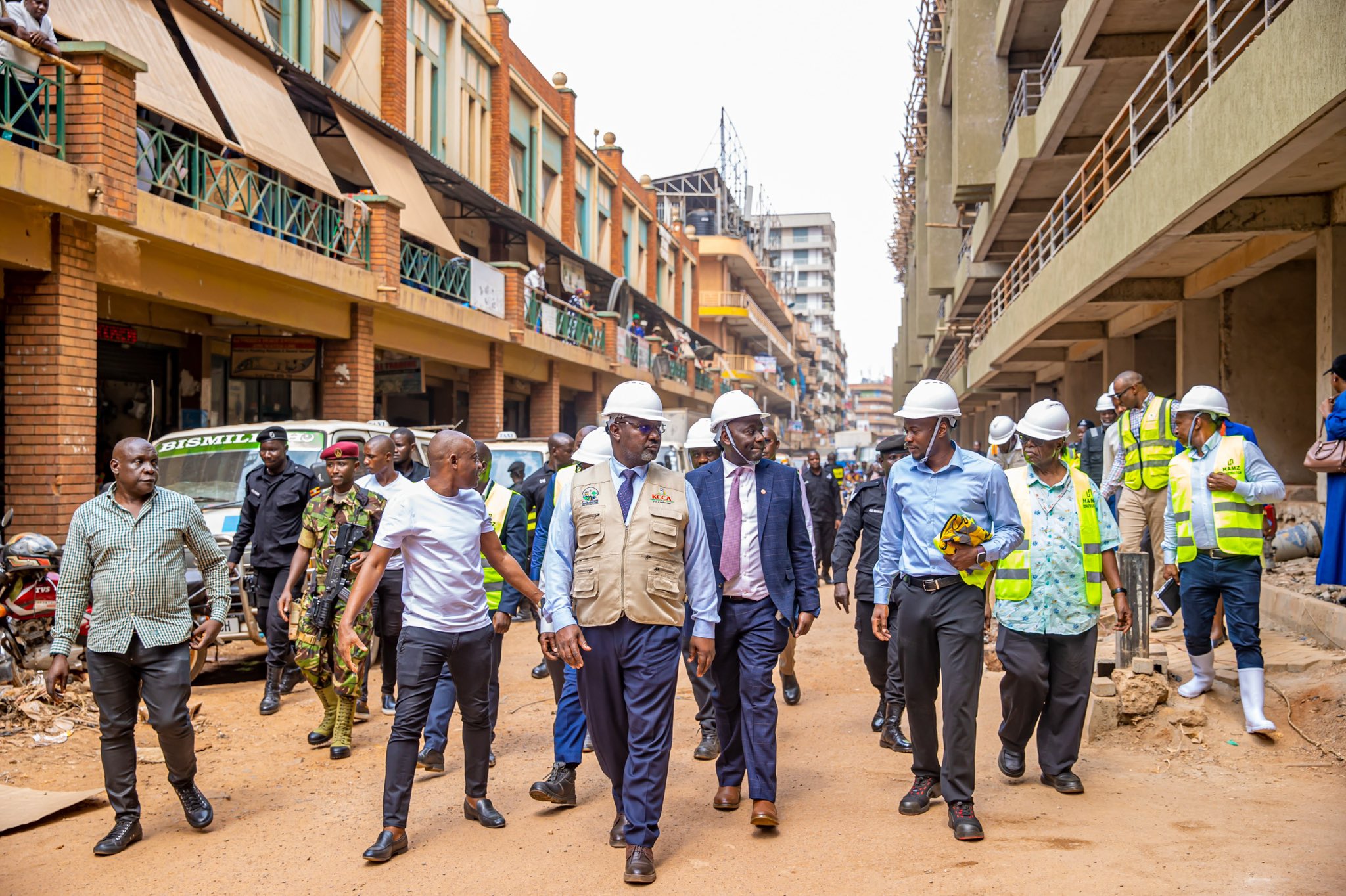
Recurring floods have become one of Kampala’s most pressing urban management challenges, particularly during heavy rainfall.
Urban development experts attribute the problem to multiple factors, including rapid population growth, unplanned settlements, encroachment on wetlands and drainage corridors, blocked storm-water channels caused by poor waste management, ageing infrastructure and the increasing effects of climate change.
The Nakivubo Channel serves as one of Kampala’s principal drainage systems, collecting runoff from much of the city before discharging into the Inner Murchison Bay of Lake Victoria.
Experts caution that any reduction in the channel’s capacity, whether through encroachment, sediment accumulation, structural bottlenecks or solid waste, can significantly increase flood risks across surrounding commercial areas.
They argue that sustainable flood management requires integrated urban planning, strict enforcement of development controls, protection of wetlands, regular maintenance of drainage infrastructure and investment in climate-resilient engineering solutions.
Uganda’s legal framework assigns public authorities clear responsibilities for orderly physical planning and environmental management.
The Constitution of Uganda guarantees the right to a clean and healthy environment under Article 39, while the National Objectives and Directive Principles of State Policy require the State to promote sustainable environmental management and balanced development.
The Physical Planning Act, 2010 (as amended) regulates land-use planning and development control, requiring projects to conform to approved physical development plans.
The Building Control Act, 2013 establishes standards governing building approvals, construction safety and regulatory oversight, while the National Environment Act, 2019 protects wetlands and other environmentally sensitive ecosystems from unlawful degradation.
Additionally, the Kampala Capital City Act, 2010 mandates KCCA to manage the city’s infrastructure, drainage systems, physical planning and environmental sustainability.
Beyond the controversy surrounding the Nakivubo redevelopment, the parliamentary inquiry reflects wider concerns about governance, regulatory enforcement and climate resilience in Uganda’s rapidly expanding capital.
Lawmakers insist that strengthening public confidence requires transparent decision-making, consistent enforcement of planning laws and accountability where regulatory failures contribute to avoidable public losses.


 has come under intense parliamentary scrutiny over its approval of the controversial Nakivubo redevelopment project)