


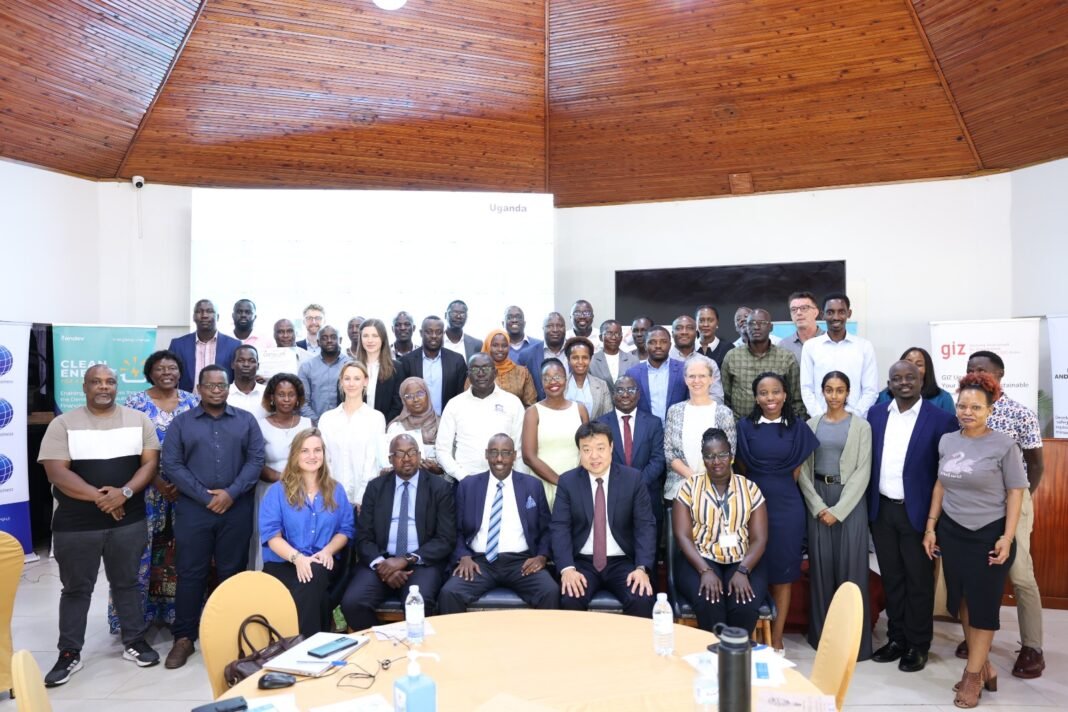
Thousands of vulnerable households across Uganda are now enjoying safer, cleaner and more affordable energy following the successful completion of the Demand-Side Subsidy (DSS) pilot implemented by the Energising Development (EnDev) programme in partnership with the Private Sector Foundation Uganda (PSFU) and the Ministry of Energy and Mineral Development.
Over the course of the project, 66,763 households gained access to clean energy technologies that were previously beyond their financial reach. By reducing the purchase price rather than giving products away, the programme empowered families to invest in solutions that improve daily life while strengthening local energy markets.
The initiative introduced solar lighting, improved cookstoves, electric pressure cookers, ethanol stoves and other modern energy technologies across refugee-hosting districts and vulnerable communities, helping families reduce dependence on firewood and charcoal.
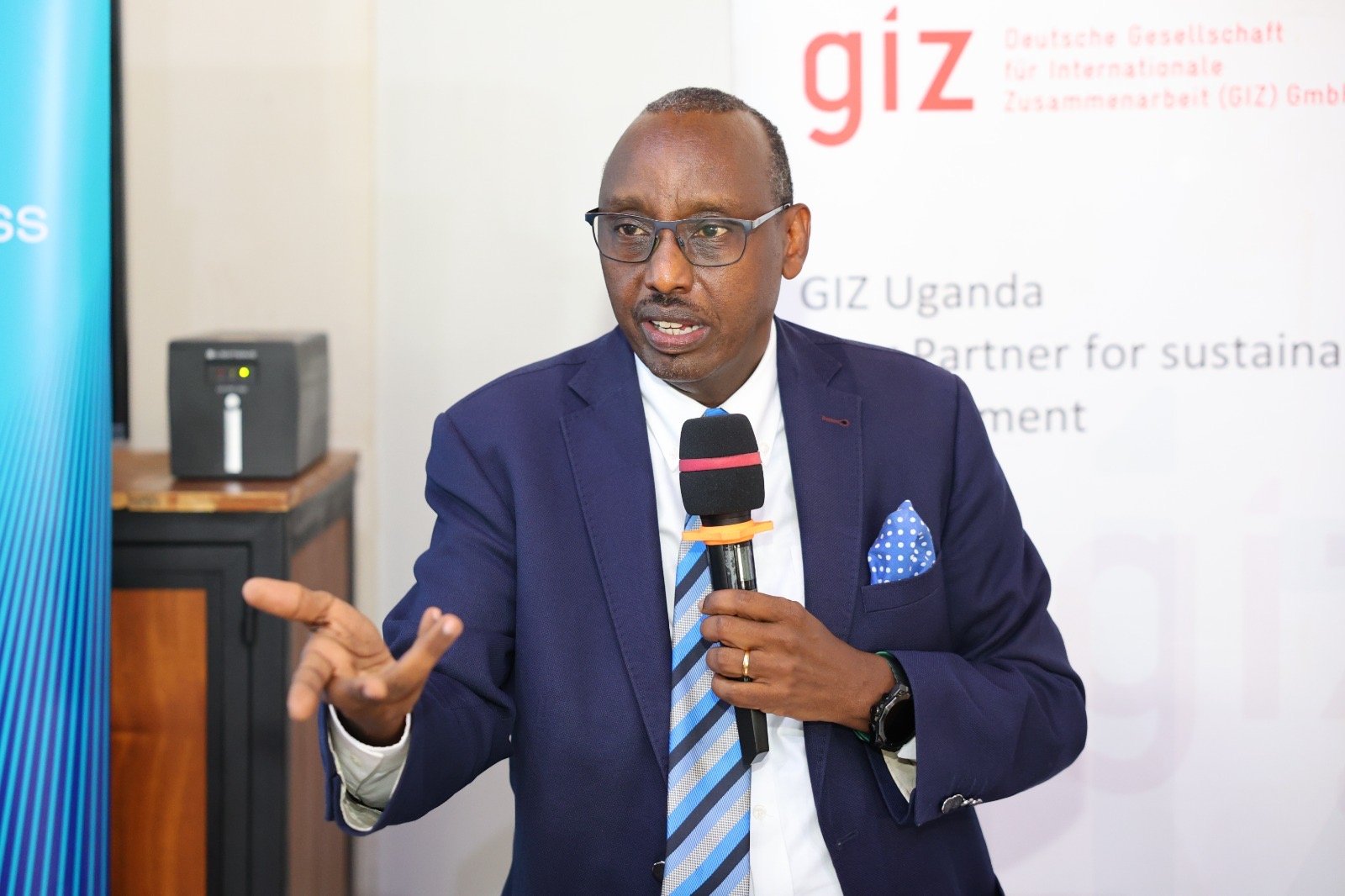
“This project shows that affordable financing and strong private sector partnerships can transform lives while creating sustainable markets,” said Un-Young Yong, Head of Project at EnDev.
For PSFU Chief Executive Officer Stephen Asiimwe, the impact of the project extends beyond providing clean energy.
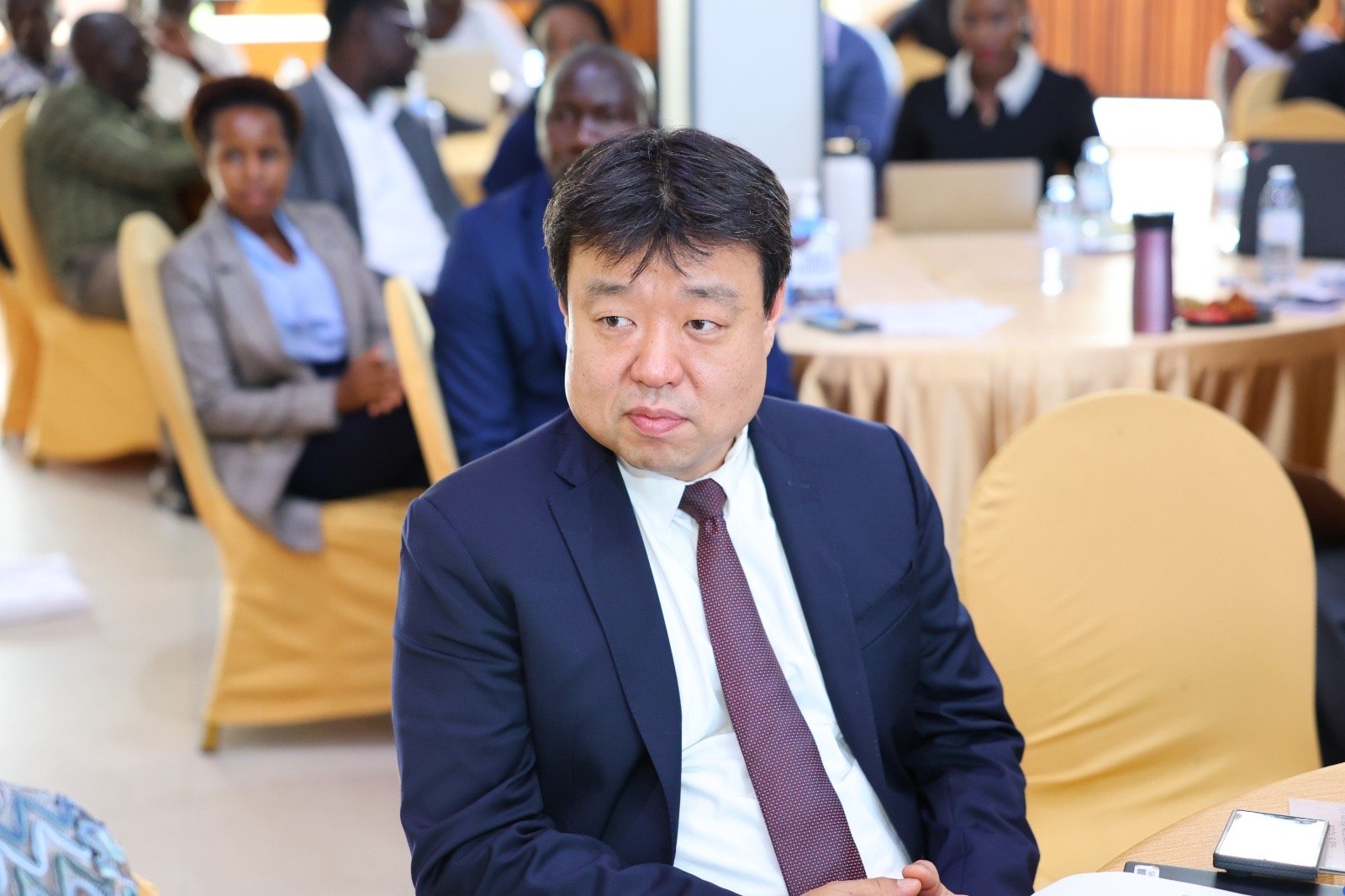
“For thousands of families, access to clean energy means more than simply switching technologies—it means healthier homes, lower household expenses, improved safety and greater opportunities for education and livelihoods. We are proud that PSFU has helped deliver a solution that improves lives while enabling the private sector to sustainably serve communities that have traditionally been left behind,” Asiimwe said.
Francis Kajura, DSRBF Project Manager at PSFU, noted that the project’s impact has been evident both at household and market level.
“The project has generated substantial household benefits, particularly through cleaner cooking, reduced dependence on traditional fuels, improved health outcomes, greater household savings and better educational conditions. We have also seen increased private sector participation, with 20 energy service companies expanding their operations into last-mile communities,” Kajura said.
The experience gained from the pilot will now help shape larger clean energy programmes in Uganda, including the Electricity Access Scale-up Project (EASP), while contributing to global efforts to improve energy access for low-income and displaced populations.


 pilot implemented by the Energising Development (EnDev) programme in partnership with the Private Sector Foundation Uganda (PSFU) and the Ministry of Energy and Mineral Development.)