



“This bill, if it benefits us, will be formally petitioned to Parliament after we, if possible, agree on what helps us,” said youth advocate Nyanzi Martin Luther, responding to growing concerns from civil society over the proposed NGO Funding Bill.
Civil society organisations (CSOs) and activists have raised alarms that the bill could introduce government oversight of foreign funding, channel grants through a central fund, and curtail freedoms of association and expression.
Dr Sarah Bireete, executive director of the Centre for Constitutional Governance, warned that such measures “could limit the operating space for NGOs and CBOs.” Civic activist Sarah Mukasa added, “The timing and intent of this bill raise questions about whether it is genuinely meant to support NGOs or centralise control.”
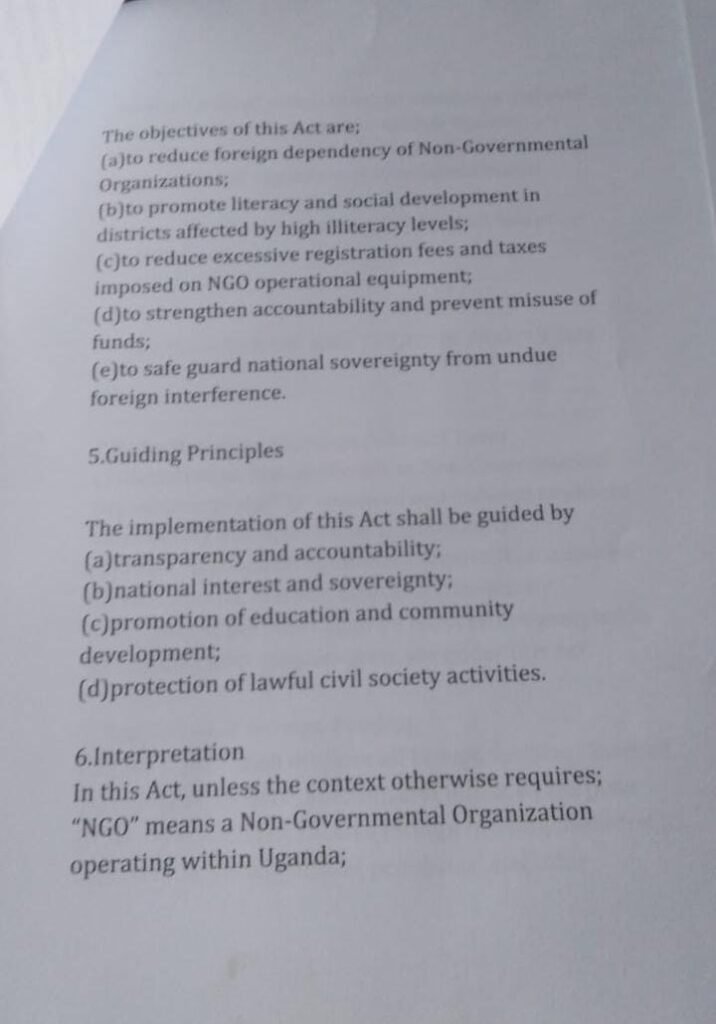
The bill has not been formally tabled in Parliament. Yet, early discussions have already prompted concerns, particularly in light of recent NGO suspensions and account freezes. CSO leaders stressed the importance of broad consultation to ensure the sector’s independence is not compromised.
Speaking in a phone interview, Nyanzi clarified that the proposal is a personal initiative aimed at supporting local NGOs and CBOs struggling to access foreign funding.
“I tried reaching some of you via email, but there were no replies. What did you expect?” he remarked. He further stated that any oversight of NGOs under the bill would fall under the Ministry of Gender and Social Development, rather than the Ministry of Internal Affairs—a clarification welcomed by Dr Bireete.
According to Nyanzi, the bill intends to reduce foreign donor dependency, promote local sustainability, ease operational costs through tax and fee relief, and strengthen accountability and transparency.
He emphasised that it does not ban foreign funding or hinder lawful NGO operations.
“I beg the members of civil society organisations, including Dr Bireete, to consider this bill because it helps the nation and NGOs,” he said.
While CSOs remain cautious, the conversation has opened a platform for discussion. Dr Bireete noted, “Civil society must be fully engaged to ensure that reforms do not curtail the essential work of NGOs in education, literacy, health, and community development.”
The NGO Funding Bill continues to generate debate, highlighting the need for informed discussion, stakeholder collaboration, and evidence-based decision-making before any formal parliamentary submission.


