


Tanzania’s democratic facade crumbled almost instantly after its disputed 2025 presidential election. The foundation of free information dissolved as the state unleashed lethal force and sweeping arbitrary arrests to crush dissent, ensuring independent journalism was the first institution to fall.
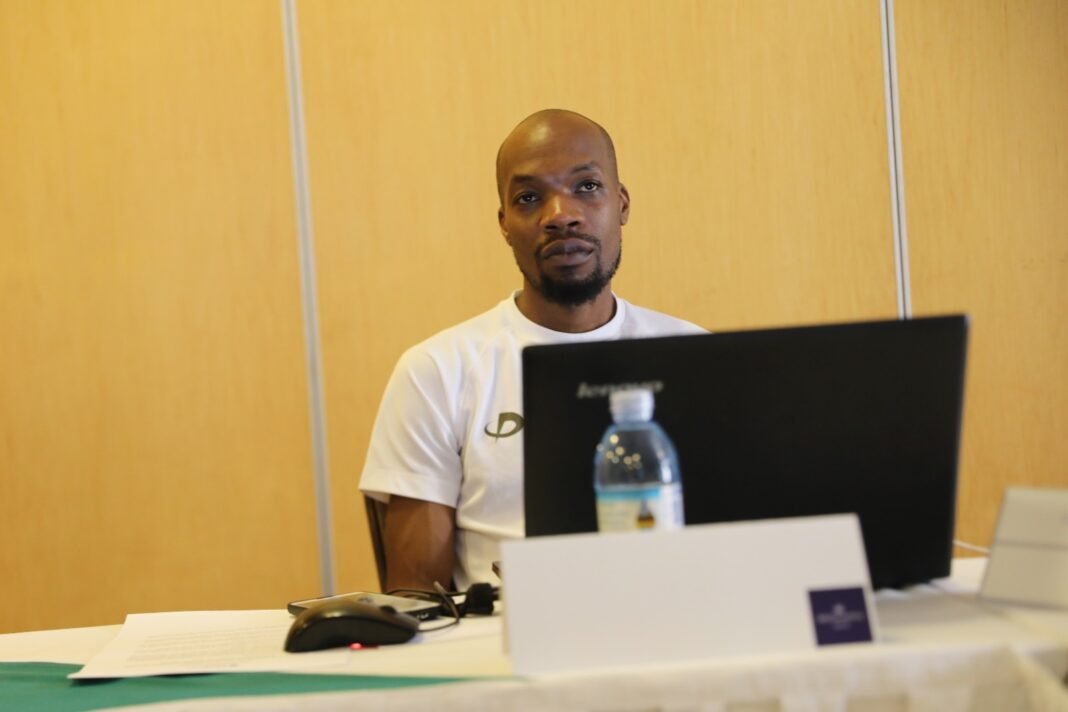
The resulting silence, a near-total collapse of local media coverage, is what Michael Wandati, Editor-in-Chief of Vivid Voice News calls a deepening regional “headache” with serious consequences for African stability.
The human toll of the crackdown is stark. Journalist Maneno Selanyika was killed on election night, October 29, near his home in Dar es Salaam. His family concluded mourning rites on November 8 without recovering his body, a chilling reflection of the opacity surrounding state actions and reports of hundreds of civilian deaths.
Selanyika was not alone. Two other journalists also lost their lives: Master Tindwa Mtopa of Clouds Media and Kelvin Lameck of Baraka FM. While circumstances around their deaths remain unclear, the Committee to Protect Journalists (CPJ) has urged Tanzanian authorities to allow independent investigations, warning that broader abuses may have gone unreported.
The election unrest was accompanied by widespread violence. Human rights observers estimate that hundreds, potentially thousands, of civilians were killed as security forces confronted protesters. A five-day nationwide internet shutdown severed communication, while the government restricted the main opposition party, Chadema, stifling political expression and mobilization.
In November 2025, a CNN documentary by Kenyan journalist Larry Madowo highlighted the crisis. The report included geolocated videos, forensic analyses, and witness accounts alleging that security forces fired live ammunition on largely unarmed demonstrators and concealed mass graves near Dar es Salaam.
The Tanzanian government dismissed the report as biased and unethical, accusing international media of waging information warfare. Chief Government Spokesperson Gerson Msigwa said CNN and other outlets failed to seek the state’s perspective, a claim countered by Madowo, who said he had been denied press accreditation.
Inside Tanzania, newsrooms fell silent. Editors and reporters largely refrained from publishing, facing immediate threats of retaliation. Authorities confirmed 2,045 arrests linked to the unrest, including journalists, online commentators, opposition supporters, and social media users.
Among those detained was Godfrey Thomas Ng’omba, an online news bureau chief charged with treason and conspiracy to obstruct elections alongside 55 co-defendants. Though charges were later withdrawn following a presidential directive, the arrests sent a stark warning: dissent could be punished with the harshest legal measures.
Foreign media faced similar restrictions. Most international accreditation applications were rejected, sharply limiting external scrutiny and leaving Tanzanian citizens with little access to independent reporting.
Human rights lawyer Tito Magoti argued that media silence was a product of both state interference and a reluctance among journalists to confront political power. “The media was absent during the elections,” Magoti said. “There is no reporting on the atrocities committed, and no critical voices are emerging from communities.”
The crackdown reverberates beyond Tanzania. The East African Community (EAC) and regional press observe with concern, particularly as citizens expressed solidarity with Madowo by changing social media profile pictures in his support. The divide between public sentiment and government action risks creating a chilling effect across the region, discouraging journalists from investigating sensitive topics.
For Michael Wandati, the Tanzanian case serves as a warning to the continent. Tactics employed in Dar es Salaam, including weaponizing treason and cybercrime laws, blocking foreign reporters, orchestrating digital shutdowns, and fostering a climate of fear, are increasingly replicated across fragile African democracies. Scholars describe this pattern as “electoral authoritarianism.”
“The failure of the media to serve as society’s mirror during pivotal events undermines public trust and allows abuses to occur unchecked,” Wandati warns. Without regional solidarity, stronger legislative safeguards, and revitalized editorial courage, the “press freedom headache” threatening parts of Africa risks becoming a permanent and potentially fatal condition for democracy.


