


Uganda’s Ministry of Energy is championing a shift from firewood and charcoal to electric cooking, citing critical benefits for public health, environmental protection, and climate change commitments.
The move aims to reduce reliance on biomass, which poses significant health hazards and damages the environment.
The Ministry of Energy and Mineral Development is actively encouraging Ugandans to transition away from traditional biomass fuels like firewood and charcoal towards electric cooking.
This initiative is seen as crucial for safeguarding public health, mitigating environmental damage, and ensuring Uganda meets its international climate obligations.
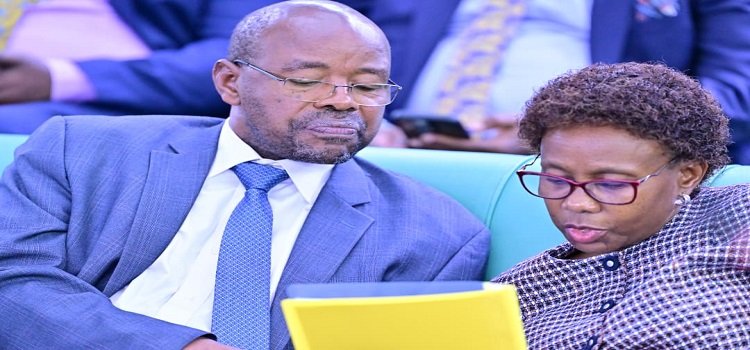
Minister of State for Energy, Hon. Sidronius Okaasai, emphasized that the nation’s persistent reliance on biomass for cooking presents a major hurdle in adopting cleaner energy alternatives
. He highlighted the detrimental health effects, particularly on women and children, who are disproportionately exposed to the harmful emissions from cooking fires.
To facilitate this shift, the Ministry is promoting electricity as a viable cooking solution, especially for households connected to the national grid. Okaasai pointed out that a special, low tariff for cooking electricity makes it an economically attractive alternative to charcoal and firewood.
The government is also working to encourage public institutions, including schools, to adopt electric cooking methods.
The push for cleaner energy extends beyond cooking, with the government also promoting electric mobility to reduce dependence on petrol and diesel vehicles.
This broader strategy aligns with Uganda’s commitment to adopting low-carbon transportation solutions.
Officials acknowledged that while Uganda has a robust policy framework for climate action, securing the substantial financing required for implementation remains a significant challenge.
They stressed the need to link energy sector climate actions with economic development goals, anticipating increased energy demand from industrialization and urbanization.
Furthermore, the Ministry noted that expanding renewable energy sources like solar and wind is increasingly dependent on strengthening the national electricity grid’s capacity to integrate new generation.
Improvements in grid flexibility, including battery storage and transmission reinforcement, are therefore a priority.
Lawmakers, while supportive of clean energy initiatives, raised pertinent questions regarding the reconciliation of planned oil production with climate commitments and the affordability of electric cooking appliances for all households.
They also called for stricter regulation of energy-efficient cooking appliances to ensure market quality and value for money, especially in unelectrified areas.


