


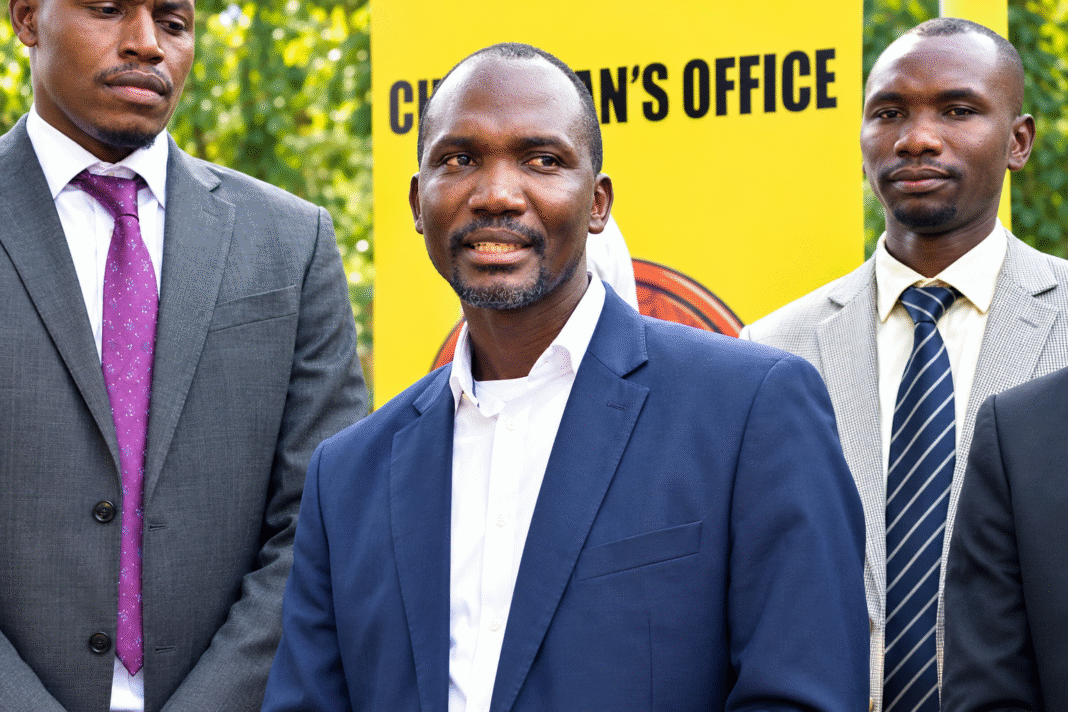
The Uganda Peoples Congress (UPC) has suspended nine members and recommended the dismissal of several of them, escalating an internal leadership dispute that has divided the party.
The decision was reached by the party’s National Disciplinary Committee (NDC), chaired by Peter Paul Okello, following hearings into alleged violations of the UPC Constitution, Code of Ethics and other party regulations.
Among those affected is Denis Enap Adim, whom the committee found liable for 15 violations. The committee ordered his immediate suspension and recommended that the National Council dismiss him from the party.
The proceedings began on August 31, 2026, in Lira City before moving to the UPC headquarters at Uganda House in Kampala.
At the heart of the dispute is the question of who is legally and constitutionally authorised to act as UPC president and represent the party in official engagements.
According to the disciplinary ruling, the committee found that Enap was not the recognised UPC president but had nevertheless used the title in official communications, including correspondence relating to party appointments and engagements with Parliament.
The committee said his use of the UPC name, emblem, flag, stamp and presidential title amounted to violations of party regulations.
It further accused him of undermining party activities, creating divisions, weakening established party structures and acting against decisions of UPC’s constitutional organs.
The ruling also dealt with allegations involving parallel party structures, misinformation, infiltration, violence, harassment and links with political organisations or actors regarded as being contrary to UPC interests.
In its findings, the committee said it had examined documentary evidence, including correspondence carrying UPC symbols and the disputed presidential title.
It also considered allegations concerning Enap’s interactions with the Patriotic League of Uganda (PLU), including claims that he presented himself as UPC president and sought confirmation of a date to take over Uganda House and be installed as party president.
The committee, however, distinguished between allegations it considered supported by evidence and those it found unsubstantiated.
In one instance, it noted that a witness had not provided concrete evidence that Enap received money from organisations mentioned during the proceedings, describing that part of the evidence as speculation and hearsay.
The committee also recorded that Enap did not attend the proceedings despite being invited and that no authorised representative appeared on his behalf.
His absence, however, did not automatically establish the allegations against him, with the committee noting that the complainant still had the burden of proving the claims.
The disciplinary action also affected Jack Khabusi, Magero Emmanuel Were and Aisha Naome Natukunda.
They were accused of manipulating UPC president Jimmy James Michael Akena and presenting themselves as having authority to determine or influence the party presidency.
Josephine Babirye faced allegations of indiscipline, gathering information for organisations hostile to UPC, infiltration, hooliganism and violence.
Chris Ongom, Alex Ogwal Adyebo, Suzan Achola and George Ewal were also subjected to disciplinary action over allegations that they mobilised or campaigned for National Resistance Movement (NRM) presidential and parliamentary candidates, contrary to UPC interests.
The disciplinary measures come against the backdrop of a prolonged leadership contest between Enap and Akena.
Enap has challenged Akena’s authority and sought recognition as UPC president, while Akena’s camp maintains that Enap was not elected through the party’s established constitutional structures.
The dispute has also spilled into court.
In Dennis Adim Enap v Uganda Peoples Congress and Jimmy James Michael Akena, the High Court considered issues relating to UPC leadership and the party’s electoral processes.
The existence of court proceedings adds a legal dimension to the internal dispute, although the party’s disciplinary findings and any judicial determination are separate matters.
The NDC ruling maintains that leadership of a political party is determined through its constitutional structures rather than being conferred by the courts.
However, courts can examine whether internal party processes comply with the law, statutory obligations and constitutional rights. The distinction between choosing a party leader through internal structures and challenging the legality of that process is therefore important.
UPC’s disciplinary action comes within Uganda’s broader legal framework governing political parties, including the Political Parties and Organisations Act and constitutional protections relating to political participation and association.
While political parties have authority to establish rules governing the conduct of their members, disciplinary measures must operate within the party’s own constitution and applicable laws.
The cases involving members accused of supporting rival political candidates similarly raise questions about the enforcement of party discipline, particularly whether the alleged conduct breached valid party rules and whether the rules were applied consistently.
The latest action leaves the UPC leadership dispute unresolved.
The recommendations for dismissal must still be considered by the National Council, while the affected members may have avenues to challenge or appeal the disciplinary decisions depending on the party’s rules and applicable law.
The outcome could have wider implications for the party as it attempts to resolve competing claims to leadership and restore clarity around its structures.
For UPC, the dispute is now as much about institutional authority as it is about the individuals involved, with the party facing the challenge of resolving its leadership differences through recognised constitutional, disciplinary and legal processes.


 has suspended nine members and recommended the dismissal of several of them, escalating an internal leadership dispute that has divided the party.)