


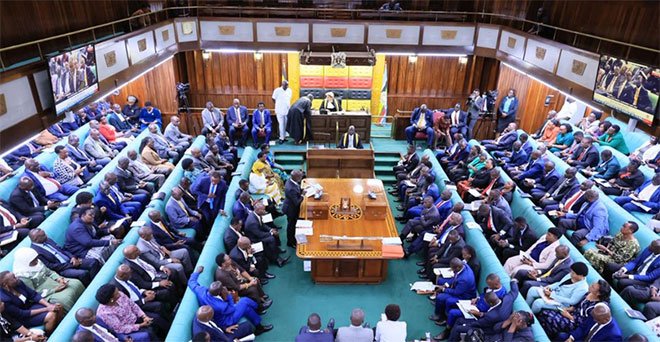
As Uganda’s 12th Parliament prepares to officially begin business following the swearing-in of legislators next week, political attention is once again shifting toward the controversial NGO Funding Bill, 2026 — a proposal that earlier triggered intense national debate over foreign funding, state oversight, and the future of civil society operations in Uganda.
The proposed law, petitioned to Parliament in February by 16-year-old entrepreneur and youth activist Nyanzi Martin Luther, emerged during the final months of the 11th Parliament and rapidly evolved from what initially appeared to be a youth-led policy proposal into a wider national conversation about sovereignty, accountability, and civic freedoms.
Although the bill was never formally debated before Parliament adjourned, analysts believe sections of the proposal could resurface in the early sittings of the new legislature, especially as the government pushes broader discussions surrounding foreign influence and national sovereignty.
At the centre of the proposal was an attempt to reduce heavy dependence on foreign donor financing among Non-Governmental Organisations (NGOs) and Community-Based Organisations (CBOs).
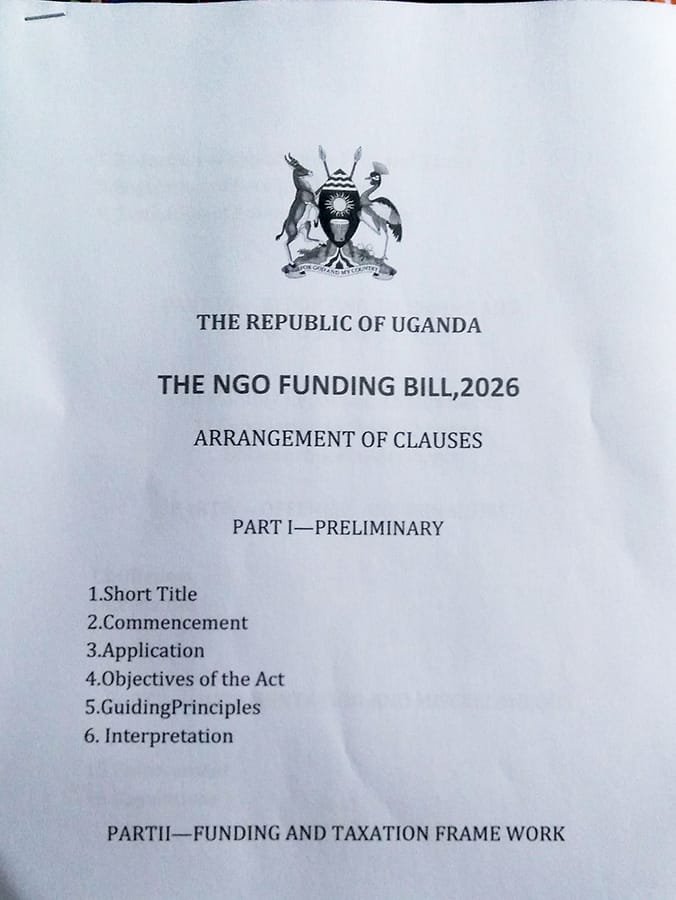
The draft bill proposed the establishment of a National NGO Fund that would provide structured government-backed support to registered organisations involved in community development, health, education, youth empowerment, and poverty alleviation.
The proposal also contained provisions requiring stronger disclosure of foreign funding sources, mandatory digital accountability systems, and alignment of NGO activities with national development priorities.
At the time, Nyanzi defended the initiative as a long-term sustainability plan for local organisations struggling with unreliable donor funding.
“Foreign donors have been helpful, but they should not remain the only source of support,” he said while promoting the proposal earlier this year.
He argued that many community organisations continue to fill major service delivery gaps in rural and underserved areas despite operating under financial uncertainty.
“I urge civil society organisations to consider this bill because it is intended to support both the sector and national development,” Nyanzi added during media interviews following the petition.
However, the proposal immediately triggered backlash from civil society organisations and governance activists, many of whom interpreted the bill as part of a growing trend toward tighter state control over independent organisations.
Critics argued that while the proposal publicly framed itself as a support mechanism, several of its provisions appeared focused on surveillance, compliance, and regulation rather than financial empowerment.
Among the strongest critics was Dr. Sarah Bireete, who warned that the proposed law risked shrinking civic space if safeguards protecting NGO independence were not strengthened.
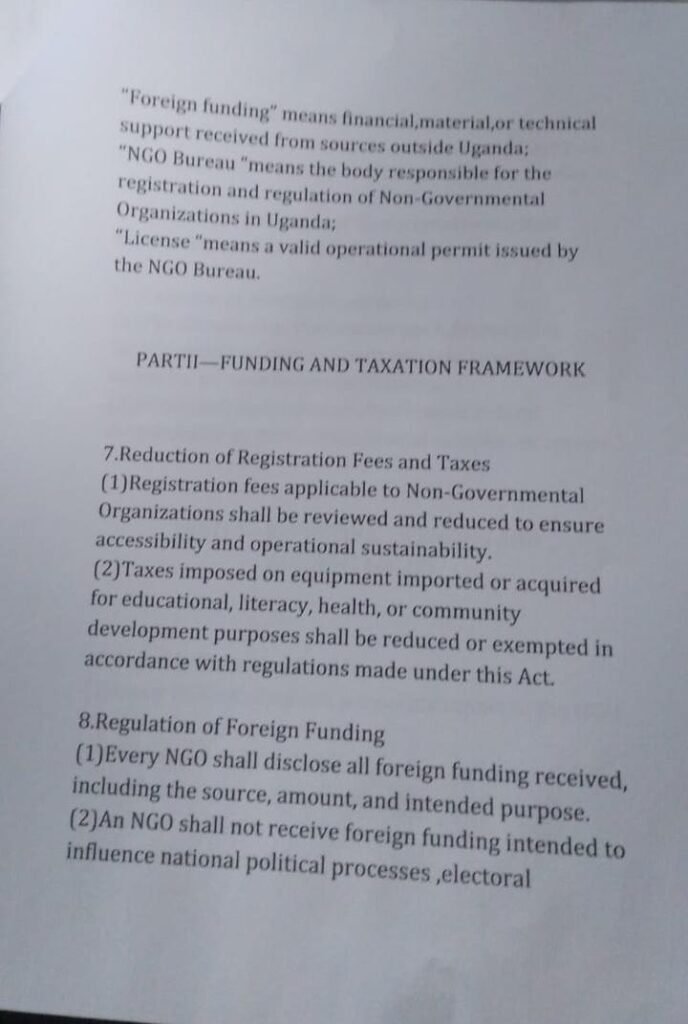
Civil society leaders also questioned whether government-managed funding structures could compromise the neutrality of organisations, particularly those involved in governance, election observation, anti-corruption advocacy, and human rights work.
Some activists accused the proposal of mirroring restrictive NGO laws previously introduced in countries where governments tightened control over foreign-funded organisations under the justification of protecting sovereignty and national interests.
The controversy surrounding the proposal later intensified after reports emerged linking some of its concepts to the broader Protection of Sovereignty Bill, 2026, which introduced tougher provisions on foreign influence, disclosure requirements, and activities considered harmful to Uganda’s national interests.
Political observers noted that both proposals appeared to share a common philosophy centred on reducing external influence in domestic affairs, although critics warned that such legislation could also suppress dissenting voices and weaken civic participation.
The debate arrives at a politically sensitive moment as Uganda enters a new parliamentary term following the 2026 general elections.
Analysts say government institutions are increasingly prioritising narratives around sovereignty, economic protection, and national control over foreign-backed actors — themes that are likely to dominate legislative debates in the coming months.
For supporters of the NGO Funding Bill, the proposal represented an attempt to create sustainable local financing mechanisms capable of shielding community organisations from abrupt donor cuts and shifting foreign priorities.
But for critics, the larger concern remains whether increased government involvement in NGO financing could eventually translate into political influence over civil society operations.
The International Centre for Not-for-Profit Law and other international observers earlier noted that the proposal reignited long-standing concerns about balancing transparency and accountability with constitutional freedoms of association and expression.
Whether the bill returns as a standalone private member’s proposal or re-emerges through broader sovereignty legislation, analysts say the debate has already reshaped national discussion on how Uganda should regulate, finance, and supervise its civil society sector.
For many observers, the significance of the proposal now extends beyond its legal provisions.
It has become a symbol of the widening ideological contest between state control, national sovereignty, and the independence of civic organisations in Uganda’s evolving political landscape.


