


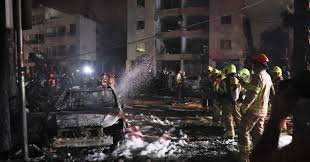
Residents in Tehran woke to the sound of explosions and the sight of smoke drifting across the skyline after Israeli forces launched strikes that officials described as pre-emptive defense measures.
In several neighborhoods, families gathered in apartment corridors and basements as emergency sirens echoed through the city.
Iranian authorities moved quickly to reassure the public, stating that air defense systems were activated and investigations into the targets were underway.
Across the border, Israelis also experienced a tense morning. Sirens warning of potential incoming threats prompted residents in major cities to seek shelter.
Public events were canceled, and transportation services were disrupted as authorities assessed the security landscape.
Diplomatic fallout was swift. Regional leaders expressed concern that the confrontation could spiral into broader warfare.
Some neighboring states closed portions of their airspace as a precaution, while international airlines rerouted flights.
Political observers note that the latest strikes come at a time of fragile diplomacy and strained negotiations over Iran’s nuclear ambitions.
Previous rounds of indirect conflict between the two countries have typically played out through cyber operations or proxy forces. Direct strikes on Iranian territory represent a significant escalation.
For civilians on both sides, uncertainty now defines daily life. “We don’t know what comes next,” said a Tehran shopkeeper reached by phone. “We just hope it doesn’t become a full war.”
Military analysts caution that the coming days will be critical in determining whether the confrontation remains contained or expands into a broader regional conflict.


