


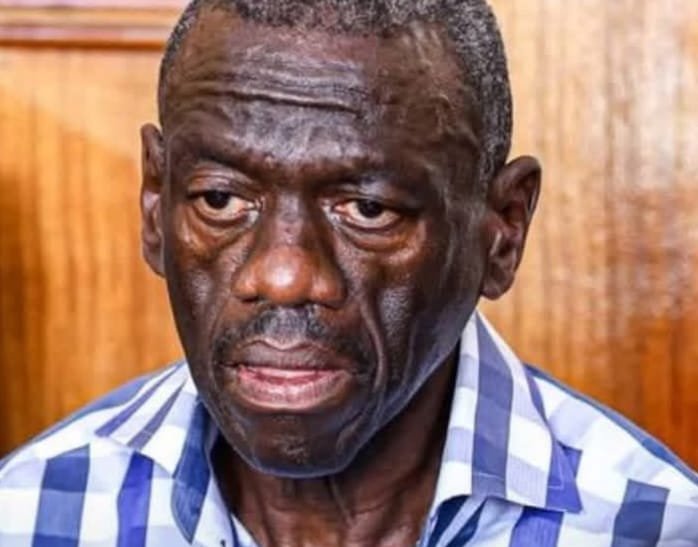
Kampala, Uganda — A new legal challenge has been launched against the government’s decision to reinstate military courts’ jurisdiction over civilians, with opposition leader Dr. Kizza Besigye and constitutional lawyer Erias Lutale warning that the move could reverse gains in judicial independence and civil liberties.
In documents filed before the Constitutional Court, the applicants argue that the General Court Martial was never intended to function as a parallel criminal court for civilians.
They say the renewed use of military tribunals risks exposing ordinary citizens to a justice system that lacks key protections such as independent judges, full rights of appeal, and transparent procedures.
Besigye and Lutale are asking the court to urgently interpret constitutional provisions on fair trial rights and separation of powers.
They claim that earlier court decisions had already clarified that military courts should primarily deal with offences committed by serving members of the armed forces, not civilians or political actors.
According to the petition, recent policy pronouncements and security directives seeking to expand military jurisdiction have caused fear among activists, journalists, and opposition supporters.
The applicants warn that without judicial intervention, civilians could increasingly be charged in military courts for offences that should be handled by civilian magistrates and judges.
Government officials have defended the policy shift, arguing that military courts are necessary to handle cases involving national security threats, illegal possession of firearms, and organised crime networks with military links.
Security agencies insist that the tribunals operate within the law and help expedite complex cases that require specialised expertise.
Legal experts say the case could become a landmark constitutional test, potentially shaping how Uganda balances security concerns with human rights protections.
Civil society organisations and bar associations are reportedly monitoring the proceedings closely, with some considering joining the case to provide independent legal perspectives.
The Constitutional Court is expected to review the application in the coming weeks and may issue interim orders depending on the urgency and legal arguments presented.
Observers believe the ruling could have significant implications for future prosecutions and the broader justice landscape in Uganda


