


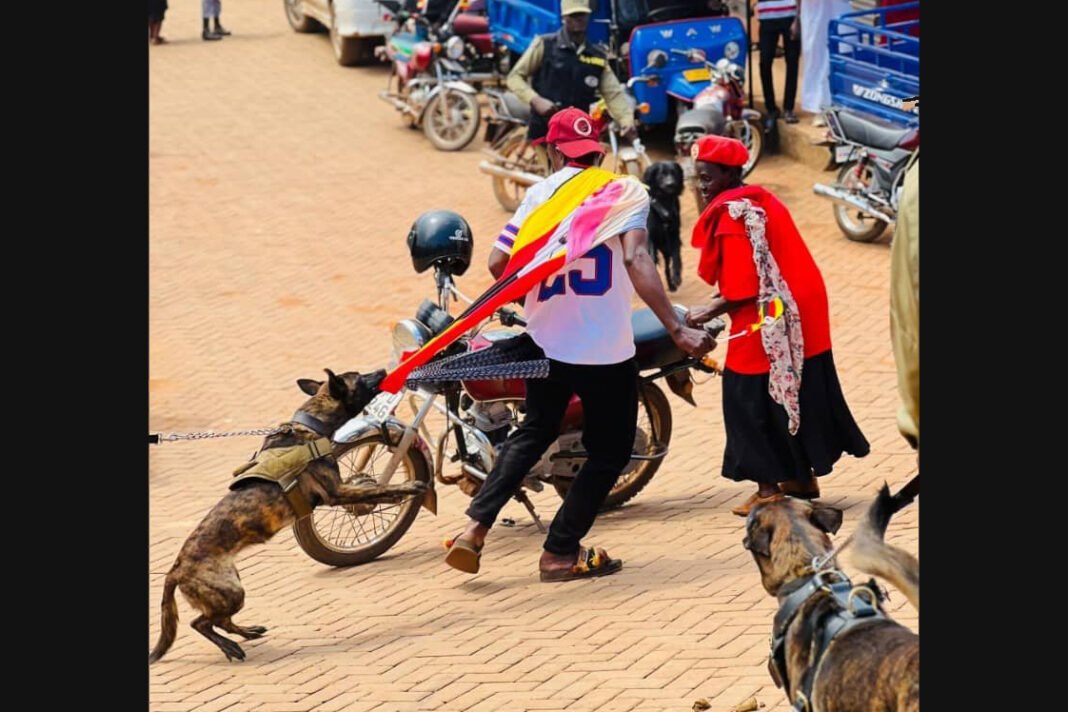
Türk urged authorities to fully respect and protect human rights in the lead-up to and aftermath of next month’s general election
Kampala, Uganda — The United Nations High Commissioner for Human Rights, Volker Türk, has voiced alarm over what he described as an escalating campaign of repression in Uganda as the country heads toward its 2026 general elections. His remarks, issued this week, highlight growing concerns about shrinking civic space and the erosion of fundamental freedoms in the East African nation.
Mounting Restrictions
Türk pointed to a pattern of arbitrary arrests, harassment, and intimidation targeting opposition politicians, journalists, and civil society activists. Reports from Kampala and other regions suggest that security forces have increasingly disrupted rallies, blocked political gatherings, and detained critics under broad charges of “public order” violations.
“These actions,” Türk said, “undermine the credibility of the electoral process and risk silencing legitimate voices that are essential for a free and fair election.”
Opposition Under Pressure
Uganda’s opposition parties, including the National Unity Platform (NUP) led by Robert Kyagulanyi (popularly known as Bobi Wine), have long accused the government of using state institutions to stifle dissent. In recent months, NUP members have reported surveillance, restrictions on travel, and police raids on party offices.
Civil society organizations have also faced tighter scrutiny, with several NGOs suspended or threatened with deregistration for alleged non‑compliance with government regulations.
Historical Context
Uganda has a history of contested elections under President Yoweri Museveni, who has been in power since 1986. Past polls have been marred by allegations of vote rigging, intimidation, and violence. The 2021 elections saw widespread arrests and internet shutdowns, drawing condemnation from international observers.
With the 2026 vote approaching, analysts warn that similar tactics appear to be resurfacing, raising fears of another cycle of unrest.
International Reaction
The UN’s intervention adds to mounting pressure from rights groups and foreign governments. Organizations such as Human Rights Watch and Amnesty International have documented abuses, urging Kampala to respect international obligations on freedom of expression and assembly.
Diplomatic observers caution that continued repression could damage Uganda’s global standing, jeopardize foreign aid, and strain relations with key partners.
What’s at Stake
For ordinary Ugandans, the crackdown raises questions about whether the upcoming elections will be genuinely competitive. Many citizens rely on civic groups and independent media for information, but restrictions threaten to limit access to diverse viewpoints.
Türk emphasized that “credible elections require an environment where dissenting voices can operate freely,” urging authorities to reverse course and safeguard democratic space.
Outlook
As Uganda moves closer to 2026, the balance between security and political freedom will be closely scrutinized. Whether the government heeds international calls for reform may determine not only the legitimacy of the elections but also the country’s long‑term stability.


